CLICK HERE TO DOWNLOAD YOUR HEALTHYSTART™ GUIDE


Root Canals Demystified: Unraveling The Truth Behind Tooth Rescues!

When it comes to dental health, root canals are a commonly misunderstood and sometimes feared procedure. Root canals are an essential dental treatment aimed at saving a severely damaged or infected tooth. Understanding the ins and outs of this procedure can help alleviate fears and misconceptions surrounding it.
Understanding Tooth Anatomy
To comprehend the significance of root canals, we must first understand the basic structure of a tooth. Each tooth consists of three layers: enamel, dentin, and dental pulp. The dental pulp, located in the center of the tooth, contains nerves, blood vessels, and connective tissue, playing a vital role during the tooth’s development.
Causes of Dental Pulp Damage
Several factors can lead to dental pulp damage, making root canals necessary. Untreated tooth decay, dental trauma resulting from accidents, and cracked or chipped teeth can all cause the dental pulp to become infected or inflamed.
Signs and Symptoms Of Root Canal Issues
Recognizing the signs of potential root canal problems is crucial for seeking timely treatment. Persistent toothache, sensitivity to hot and cold temperatures, and swollen gums around the affected tooth are common indicators of underlying issues.
The Root Canal Procedure
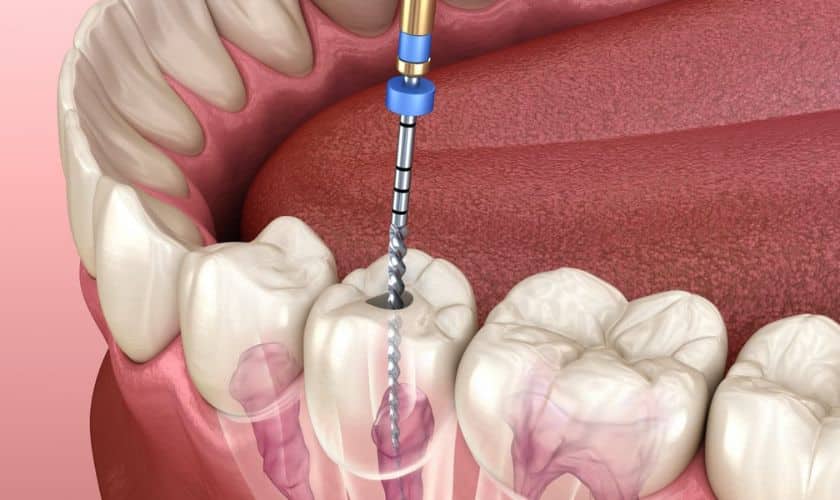
A root canal procedure involves removing the damaged or infected dental pulp from the tooth. The process typically includes an initial examination, X-rays, local anesthesia to numb the area, and the removal and cleaning of the dental pulp.
Importance of Endodontic Specialists
Endodontic specialists, also known as root canal specialists, play a critical role in ensuring successful root canal treatments. Their specialized training and expertise, along with the use of advanced technology, contribute to the procedure’s efficiency and effectiveness.
Preventive Measures For Root Canal Problems
While root canals can be unavoidable in some cases, adopting good oral hygiene practices and attending regular dental checkups can significantly reduce the risk of severe dental issues that may lead to root canals.
Post-Root Canal Care And Recovery
After a root canal procedure, proper care and pain management are essential for a smooth recovery. Temporary crowns are often placed on the treated tooth while waiting for the final restoration.
Long-Term Tooth Restoration Options
Following a root canal, the treated tooth requires a long-term restoration to maintain its strength and functionality. Dental crowns and dental implants are common options for full tooth restoration.
Root Canal vs. Tooth Extraction: Making The Right Decision
Choosing between a root canal and tooth extraction can be a tough decision. Considering the pros and cons of each option, as well as consulting with a dentist, can help make an informed choice.
Root Canal Treatment For Children
Root canals are not limited to adults; children may also require this treatment in certain situations. Special considerations and the importance of baby teeth make pediatric root canal procedures unique.
Root canals are essential dental treatments that can save teeth from further damage and alleviate pain. Understanding the procedure and debunking myths can help patients make informed decisions about their dental health. Seeking professional dental care and maintaining good oral hygiene are crucial in preventing severe dental issues that may lead to root canals.