CLICK HERE TO DOWNLOAD YOUR HEALTHYSTART™ GUIDE


How Can You Prevent Needing a Root Canal?
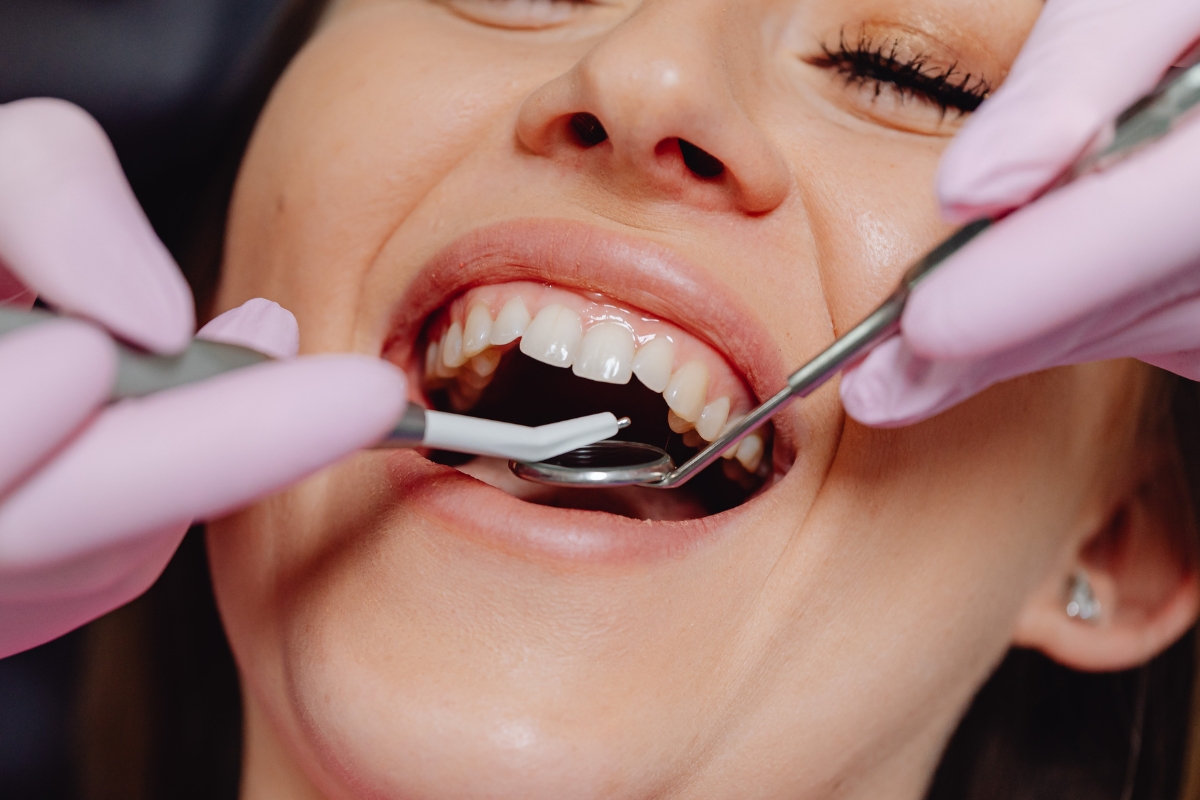
A root canal treatment can save a damaged tooth, but who wants one? No one. This avoidance of the root canal starts with understanding how damage occurs to your tooth. The key to a healthy smile lies in prevention, and there are several causes of tooth pain, infection, or injury that may call for this type of treatment.
However, the right dental habits can keep you out of the dental chair. It’s all about not just fixing a problem, but nipping it in the bud even before it has begun. So let’s explore how proactive dental care can spare you from needing a root canal.
What Causes a Root Canal?
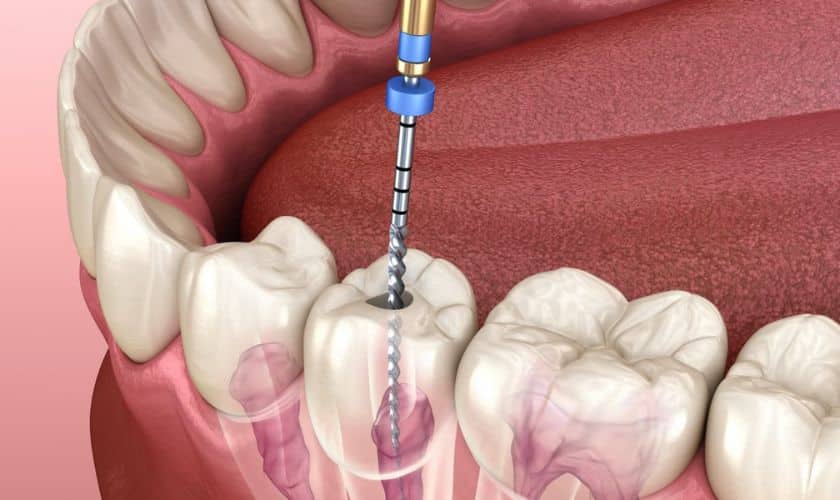
A root canal treatment is indicated if the pulp inside a tooth becomes infected or inflamed. The most common causes include deep cavities, trauma, and untreated gum disease. When a cavity is left untreated, it can deepen down to the tooth’s pulp. The infections may rapidly advance, causing excruciating pain and possible root canal treatment.
Trauma to the teeth, like cracks or chips, can expose the pulp and require intervention. Gum disease can also damage the tissues of the mouth and increase the chances of a root canal. Early detection is critical to prevent an infection from reaching the root.
Steps to Prevent Needing a Root Canal
1. Maintain good oral hygiene
Brushing your teeth twice a day and flossing are the first steps in maintaining healthy teeth. Regular brushing prevents decay by removing plaque and food particles. Flossing cleans areas in between the teeth where the toothbrush cannot penetrate. Mouthwash helps in completely removing harmful bacteria, hence reducing the chances of dental infections.
These daily habits form a shield against tooth decay and gum disease, the two major causes of requiring root canal treatment in Tomball.
2. Visit Your Dentist Regularly
Regular dental check-ups help prevent severe dental problems. Your dentist can find early signs of decay or damage during your routine visits that could save your teeth from needing root canal treatment later on.
This professional cleaning removes plaque and tartar buildup in ways that are not possible at home. The sooner a problem is spotted, the more likely that treatment will not involve drastic measures such as root canal therapy.
3. Fill Cavities Early
Untreated cavities are small in appearance but ultimately may snowball into bigger problems. A minor cavity can gradually deteriorate and reach the tooth pulp, infecting it. Timely fillings prevent this by stopping further decay from reaching deeper layers of the teeth.
One of the most effortless and efficient ways to avoid root canal treatment is to catch a cavity in its early stages. Filling a cavity before it has spread supports the tooth structure and health.
4. Protect Your Teeth from Trauma
The teeth are also quite vulnerable during sports. Wearing mouthguards during sports protects the teeth against such impact, which may lead to cracks or breaks.
Other ways teeth receive excessive forces include teeth grinding, or bruxism. This can put tremendous stress on the teeth, which a night guard will prevent, reducing the occurrence of cracks and fractures that may necessitate root canal treatment.
5. Watch your diet
Your diet is a huge contributor to oral health. Sugary and acidic food items can corrode the enamel on your teeth, which may cause cavities. Limiting sugary snacks or rinsing your mouth out with water helps to protect the enamel. Leafy greens, nuts, and dairy help strengthen teeth and gums.
Stronger teeth and gums suffer less damage that could require a root canal. A good diet promotes healthy teeth and gums overall, for less need for drastic procedures.
6. Manage Gum Health
Healthy gums mean healthy, strong teeth. Brushing along the gum line prevents the major factor in tooth infections: gum disease. Gum disease can cause the gums to recede and expose the roots of the teeth, making them more vulnerable to infection.
Preventing gum disease with good hygiene habits and regular dental cleanings lowers the chances of needing root canal treatment.
Signs You May Need a Root Canal & When to See Your Dentist
Some symptoms associated with an early need for root canal treatment include the following. Among them are severe pain in the tooth, especially when chewing or putting pressure on it.
Sensitivity to hot or cold temperatures, which may linger well after the source of the temperature has been removed, could mean damage to the pulp of the tooth. The swelling or tenderness of the gums around a tooth is another sign.
Whatever your symptoms, see your dentist right away to avoid further damage.
Can a Root Canal Be Avoided?
Even if you have already developed symptoms of tooth damage, there are treatment options available. In this case, root canal treatment in Tomball could be the best option to save your tooth.
However, early treatment can prevent further damage and may avoid intensive treatment. Early dental treatment can often resolve the problem when it is less serious, possibly avoiding the requirement for a root canal.
Preventing the need for root canal treatment is simple if good dental habits are observed. Keeping your mouth clean, visiting your dentist regularly, dealing with cavities in time, and protecting teeth from trauma will help you avoid pain and the cost of root canal therapy.
Take responsibility for your oral health and make preventive care a priority. Book an appointment for a dental check-up with our dental office to keep your teeth healthy and prevent yourself from needing a root canal treatment.
FAQs
What happens if I wait too long to treat a cavity?
If left untreated, a cavity can reach the tooth pulp, leading to an infection that may require a root canal to save the tooth.
How can I tell if my tooth is infected?
Symptoms like severe tooth pain, sensitivity to temperature, and gum swelling indicate a possible tooth infection that might require a root canal.
Can a root canal be avoided if I already have symptoms?
Timely treatment of symptoms like severe pain or swelling may prevent further damage and avoid the need for a root canal.
How does mouthwash help prevent root canals?
Mouthwash helps reduce bacteria in your mouth, preventing infections and cavities that can lead to a root canal.
What foods are good for dental health?
Leafy greens, dairy products, and nuts help strengthen teeth and gums, reducing the need for treatments like root canals.