CLICK HERE TO DOWNLOAD YOUR HEALTHYSTART™ GUIDE


Mythbusting Root Canal – Separating Fact from Fiction
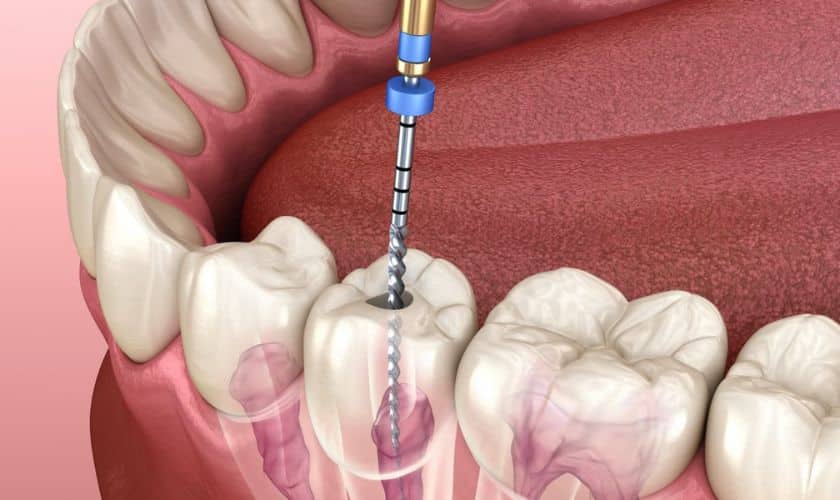
Root canals have long been the subject of myths and misconceptions, leading to fear and anxiety for many dental patients. But what if we told you that most of what you’ve heard about root canals is untrue? In the USA, More than 41,000 root canals are performed each day. In this blog post, we’re busting the biggest myths surrounding root canal treatment and presenting the facts so you can feel confident in your dental choices. So please sit back, relax, and let’s separate fact from fiction regarding root canals!
What is a Root Canal?
There is endless misinformation out there about root canals. For example, some people think they are dangerous, and others think they are the only way to fix a toothache. Here, we will bust some of the most common myths about root canals.
1. Root canals are always wrong. Unfortunately, it is not the case! They are one of the most common dental procedures in the United States. Most patients experience no pain or problems after their root canal!
2. Root canals are only for teeth damaged beyond repair by decay or fracture. It is also not true! A root canal can be performed on any tooth that needs treatment – even teeth that have been healthy all along but have started to experience pain due to decay or gum disease.
3. Root canals are always necessary if a tooth is ever going to be pulled out completely. Unfortunately, it is also not true! Sometimes, it’s possible to save a tooth by performing a root canal before it’s pulled out – this is especially effective if the tooth has extensive damage due to decay or fracture.
4. Root canals always require an overnight stay in the hospital. However, it is also only sometimes necessary! Depending on the severity of your toothache and the specific procedures involved, you may only need to stay overnight for a short period after completing your root canal procedure.
So overall, there’s no reason.
History of Root Canals
Root canals are a standard dental procedure that has been around for centuries. However, many still believe root canals are dangerous and lead to tooth loss.
The truth is that root canals are a very safe procedure. The National Research Council reported that no evidence suggests that root canals lead to tooth loss. Moreover, the American Dental Association reports that over 90% of patients with a root canal report satisfaction with the results.
So why do so many people still fear root canals? One reason may be the media. Root canal myths often appear in popular magazines and newspapers, creating an inaccurate image of root canals as a dangerous procedure.
However, the truth is that they are a very safe procedure when executed by a qualified dentist. If you have any queries about whether or not your tooth requires a root canal, don’t hesitate to consult your doctor or dentist.
How Are Root Canals Performed?
Root Canals are a standard dental procedure that many patients believe is unnecessary and risky. However, the reality is that root canals are one of the well-known procedures performed in dentistry and have a shallow risk of complications.
The main concern about root canals is that they may cause tooth decay if the canal becomes blocked. However, this is infrequent and typically occurs when the dentist does not remove enough of the affected tooth’s roots. If the dentist suspects that there may be an issue with the canal, they will typically recommend undergoing a root canal examination to ensure that it is necessary and safe.
There are several ways to perform a root canal:
1) Endodontic Technique: This is the most common technique used for root canals. In this approach, a dentist uses specialized tools to remove the infected tooth’s roots using gentle pressure and heat. This method is usually safe and effective, but getting accurate results can sometimes take work.
2) Periapical Surgery: In this approach, a surgeon uses a small camera to visualize the inside of the tooth before cutting into it. This method is more accurate than endodontic techniques, but it also has a higher risk of complication due to the delicate nature of surgery around teeth.
3) Extracapsular Surgery: This approach involves removing part of the tooth outside of its socket (crown). This method is often used when endodontic
The Benefits of a Root Canal
If you’re thinking about getting a root canal, here are some of the benefits to consider:
1. A root canal is a quick and easy treatment that can help relieve pain and improve your quality of life.
2. If you have an infection or decay in your tooth, a root canal can remove the infected material and clean the tooth inside and out. It will help to restore your teeth’s health and prevent further damage.
3. Root canals are also a great way to lessen the risk of tooth decay in the future by restoring healthy dentin levels.
4. Root canals effectively remove small amounts of pulp (the hard tissue that makes up teeth). It means they’re a good option if you have concerns about tooth loss or if your teeth need restoration after dental work.
Myths About Root Canals
It’s no secret that root canals are one of the most popular dental procedures in the United States. But, unfortunately, they’re so popular that many people believe myths about them. Here are five of the most common myths about root canals:
1. Root canals are unnecessary and dangerous.
It is probably the biggest myth about root canals. Many people believe that root canals are a waste of time and money and that they’re dangerous. But this is not true. Root canals are a very safe procedure; they’re one of the most commonly performed dental surgeries in the United States.
2. Root canal treatments require extended hospital stays.
This myth is also false. Most people with a root canal treatment only stay overnight at the hospital. And even if they need to stay longer than overnight, there’s usually no penalty. In addition, many insurance companies will cover your entire hospital stay as part of your root canal treatment bill!
3. Root canal treatments require extensive surgery and complex procedures.
Again, this myth is false – root canals are relatively simple procedures you can typically complete on an outpatient basis with minimal pain and discomfort. Moreover, many people find them quite relaxing – probably why they’re a popular choice among dental patients!
Root canals are a standard dental procedure, but many people have misconceptions about them. In this blog, we aim to dispel some of the most common myths about root canals and provide factual information so that you can decide whether this is the proper treatment for you. We hope reading this article has helped you understand what root canal surgery is and why it is such a popular dental procedure. If you still have questions, don’t hesitate to contact our team of experts!