CLICK HERE TO DOWNLOAD YOUR HEALTHYSTART™ GUIDE


What to Expect After a Root Canal: Recovery Tips from Dr. Mai

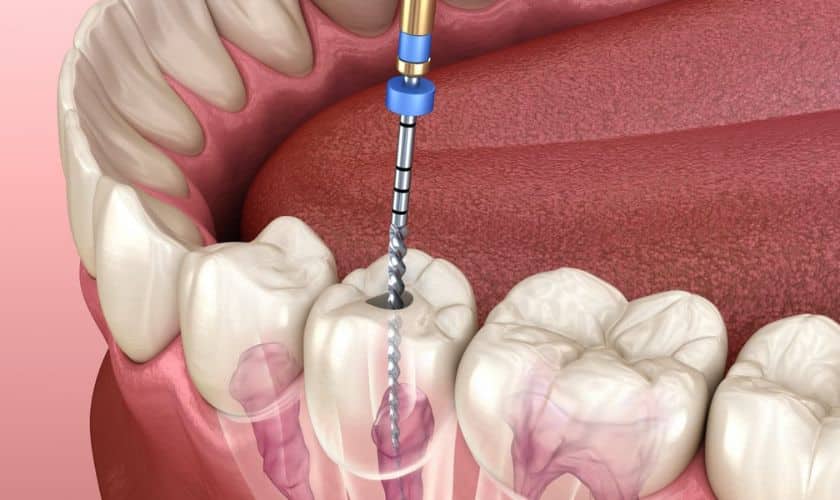
You might feel a mix of relief and concern once your root canal is done. It’s normal. Root canal treatment removes infected tissue from inside a tooth, relieves pressure, and helps protect your smile. But healing doesn’t end in the dentist’s chair. Knowing what to expect after a root canal can help you handle recovery with confidence.
The First 24–48 Hours: Key Milestones
In the hours after your procedure, your body shifts into repair mode. You may notice:
- Mild discomfort or soreness — Using an over-the-counter pain reliever (as recommended) usually keeps this manageable.
- Sensitivity to biting or pressure — Until the tooth is fully restored with a crown or filling, avoid hard or chewy foods.
- Mild swelling — A cool compress on the cheek, applied intermittently, helps.
- Numbness — The local anesthetic might take a few hours to wear off.
These symptoms are typical. If they worsen or you feel a sharp, throbbing pain that doesn’t ease with medication, call your dentist.
Days 3–7: Healing in Progress
Your body continues its healing journey post-root canal. During this phase:
- Swelling should fade.
- Discomfort should lessen each day.
- You may start using the treated tooth gently, depending on how your dentist restores it.
Maintain excellent oral hygiene. Brush carefully, floss near the area—not vigorously over it. Use a soft toothbrush. Rinse with warm salt water (½ teaspoon salt in 8 oz water) to soothe tissues.
If you’ve had a root canal in Tomball, your recovery can be smoother with the help of a local dentist. Follow your dentist’s directions and stay consistent with care.
Tips That Support Smooth Root Canal Recovery
Here are steps you can follow to support a smoother recovery:
1. Stick with soft foods
Yogurt, mashed vegetables, oatmeal—these keep stress off the healing area. Gradually reintroduce hard foods in your diet.
2. Avoid strenuous activities
Heavy exertion increases blood flow, which can worsen swelling or pain. So, don’t participate in them unless you feel fit or your dentist gives you the green light.
3. Don’t skip your follow-up
Your dentist needs to assess progress and place a permanent restoration.
4. Watch for warning signs
Persistent pain, worsening swelling, a fever, or a bad taste in the mouth requires immediate attention from a dentist.
5. Gentle mouth rinses
Salt water or a dentist-approved antimicrobial mouthrinse helps keep the area clean without irritating it.
6. Mind what you chew on
Until the crown or filling is in place, chew using the opposite side of your mouth.
When Do You Heal Fully?
Complete healing often takes 1-3 months. During this time, bone and soft tissues rebuild. The final restoration (crown, onlay, etc.) ensures the tooth is protected and fully functional.
By week three or four, most patients report minimal to zero discomfort. The treated tooth should feel like any other in your mouth, with proper oral care.
Why This Recovery Phase Matters
Skipping or neglecting this period increases risk: reinfection, fracture of the tooth, or complications around the root tip. Good recovery practices preserve your investment and protect surrounding teeth.
When you stay compliant with oral care instructions like diet, rest, and hygiene, you help your body and your dentist’s work shine through.
You’ve just taken an important step toward dental health. Recovery matters just as much as the procedure itself. Use the early days wisely, follow the tips above, and stay alert to any signs that look unusual.
If you live in or near Tomball and need guidance on root canal recovery, Restoration Smiles is here to support you.