CLICK HERE TO DOWNLOAD YOUR HEALTHYSTART™ GUIDE


Stop Cavities Before They Start: Why Sealants Save Money Later
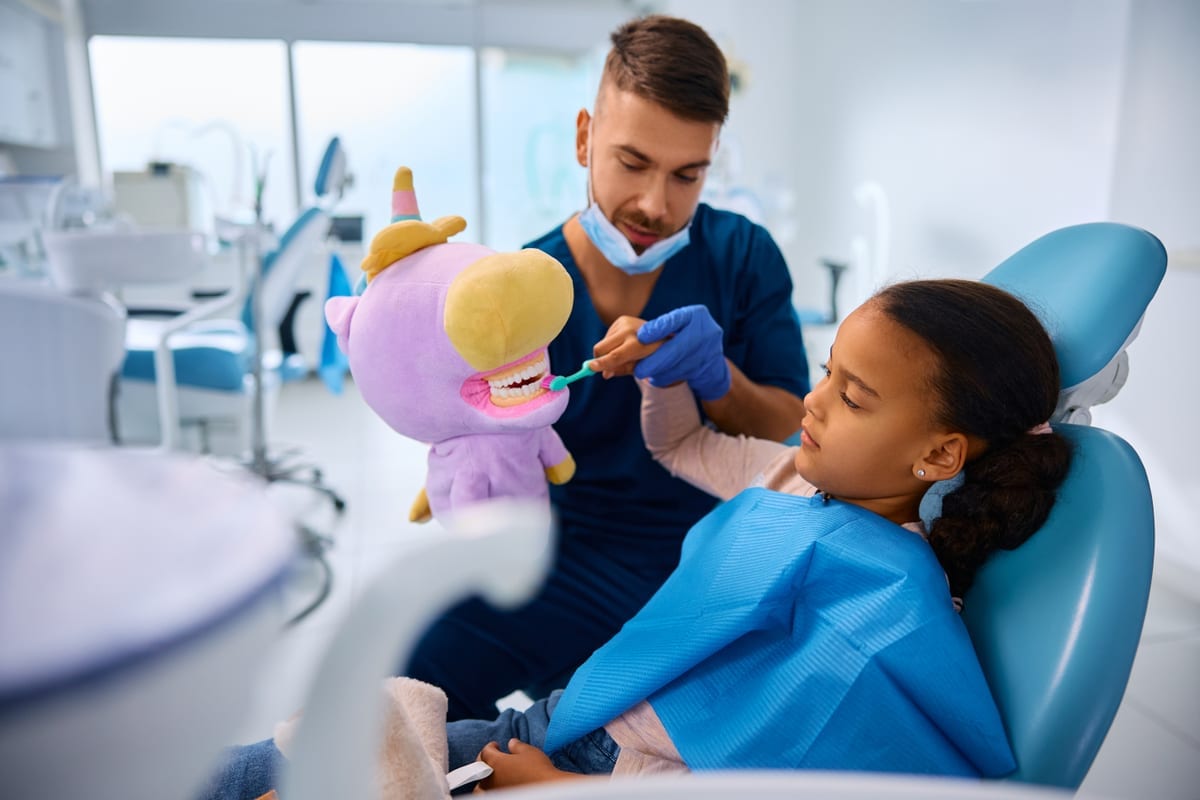
Every parent wants to stop cavities before they start. In Tomball, TX, families are discovering that dental sealants offer one of the smartest, most cost-effective ways to protect children’s teeth. Dr. Jennifer Mai at Restoration Smiles helps local families understand why this simple preventive treatment can save significant money later. If you’ve ever wondered whether sealants are worth it, this guide is for you.
What Are Dental Sealants and How Do They Work?
Dental sealants are thin, protective coatings applied to the chewing surfaces of back teeth. Molars have deep grooves where food and bacteria easily get trapped. Even thorough brushing often can’t reach those tiny crevices. Sealants act as a physical barrier, sealing out the debris that causes decay.
The application process is quick and completely painless. A dental hygienist cleans and dries the tooth surface first. Then a liquid sealant material is painted on and hardened with a special light. The entire process takes only a few minutes per tooth.
Sealants are most effective when applied soon after permanent molars erupt. That typically happens between ages 6 and 12. Acting during this window gives children maximum protection during their most cavity-prone years.
Stop Cavities Before They Start: Why Sealants Save Money Later in Tomball
Preventing a cavity is always less expensive than treating one. A single sealant costs a fraction of what a filling, crown, or root canal would cost. When you stop cavities before they start, you avoid the escalating treatment costs that come with untreated decay.
Cavities that go untreated don’t stay small. They grow deeper and reach the inner layers of the tooth. What starts as a simple filling can become a crown. A crown can eventually lead to a root canal. Each step up in treatment complexity means a bigger investment of time and money.
Families in Tomball who invest in sealants early often report fewer dental emergencies overall. Fewer emergency visits mean less stress and fewer missed school or work days. Prevention truly pays for itself many times over.
- Sealants can reduce cavity risk on back teeth by up to 80%
- One sealant costs significantly less than even a basic filling
- Sealants last up to 10 years with proper care
- Early application maximizes long-term protection
- Fewer cavities mean fewer stressful dental appointments for children
Which Children Benefit Most From Sealants?
Almost every child can benefit from sealants, but some kids are at higher risk for cavities. Children who struggle with consistent brushing habits are strong candidates. Kids who consume more sugary snacks and drinks also benefit greatly. Even children with naturally deep molar grooves are especially vulnerable without sealants.
Dr. Jennifer Mai evaluates each child individually during their routine exam. She considers the child’s cavity history, oral hygiene habits, and tooth anatomy. This personalized approach ensures every recommendation is right for that specific child. No two smiles are exactly alike, and treatment should reflect that.
Children who already have sealants should still attend regular cleanings and exams. Sealants work best as part of a complete preventive care routine. Pairing sealants with proper brushing, flossing, and fluoride treatments creates the strongest defense against decay. Our team also offers Cosmetic Dentistry Tomball services for older patients looking to maintain a healthy, beautiful smile long-term.
What to Expect During a Sealant Appointment at Restoration Smiles
Many parents worry that their child will find the appointment uncomfortable. The good news is that sealant placement is one of the easiest dental procedures available. There are no needles, no drills, and no recovery time needed. Most children feel completely relaxed throughout the visit.
Here is a simple overview of what happens during the appointment:
- The teeth are thoroughly cleaned and dried
- A mild acidic gel is applied briefly to help the sealant bond
- The gel is rinsed off and the tooth is dried again
- The liquid sealant is painted onto the tooth surface
- A curing light hardens the sealant within seconds
- The dentist checks the bite to ensure comfort
The whole appointment typically takes less than 30 minutes. Your child can eat and drink normally right afterward. There are no restrictions and no downtime to worry about. It truly is one of the easiest investments you can make in your child’s dental health.
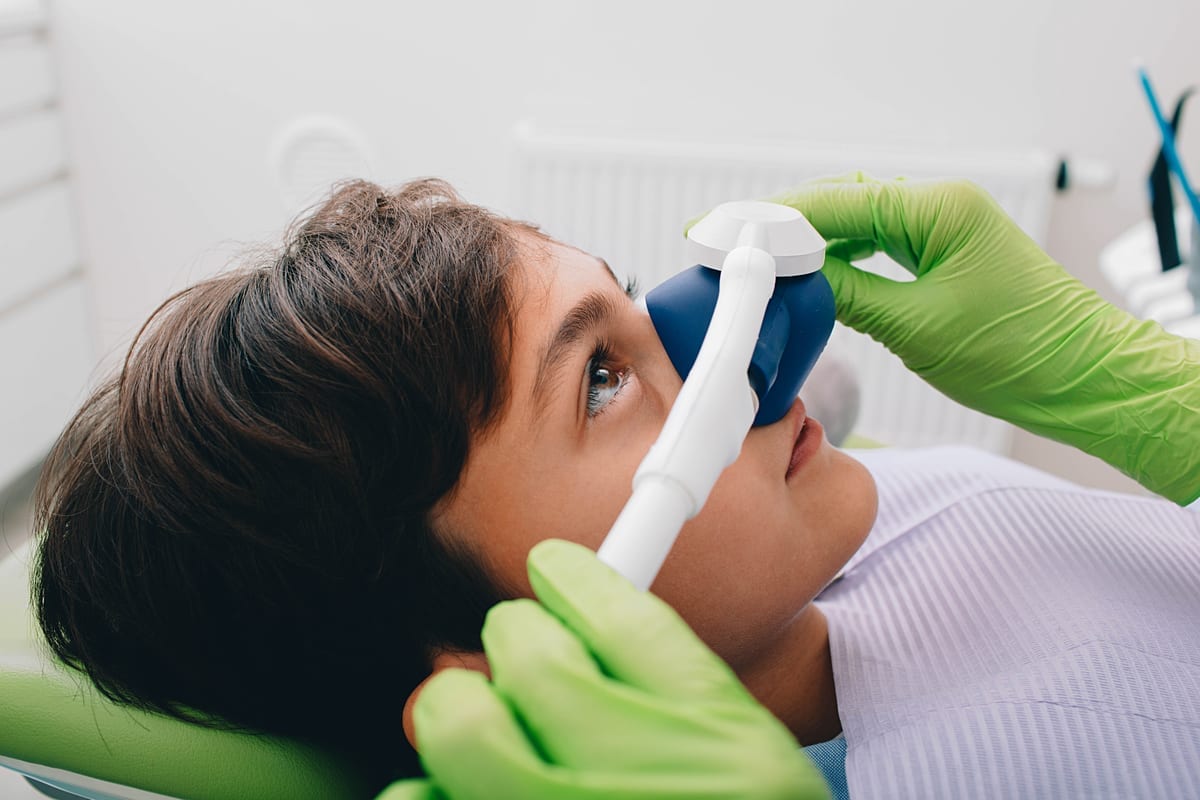
For children with significant dental anxiety, Restoration Smiles also offers sedation dentistry. This ensures even anxious kids can receive the preventive care they need. Our goal is always to create a calm, positive experience for every young patient.
Building a Complete Preventive Care Routine for Your Child
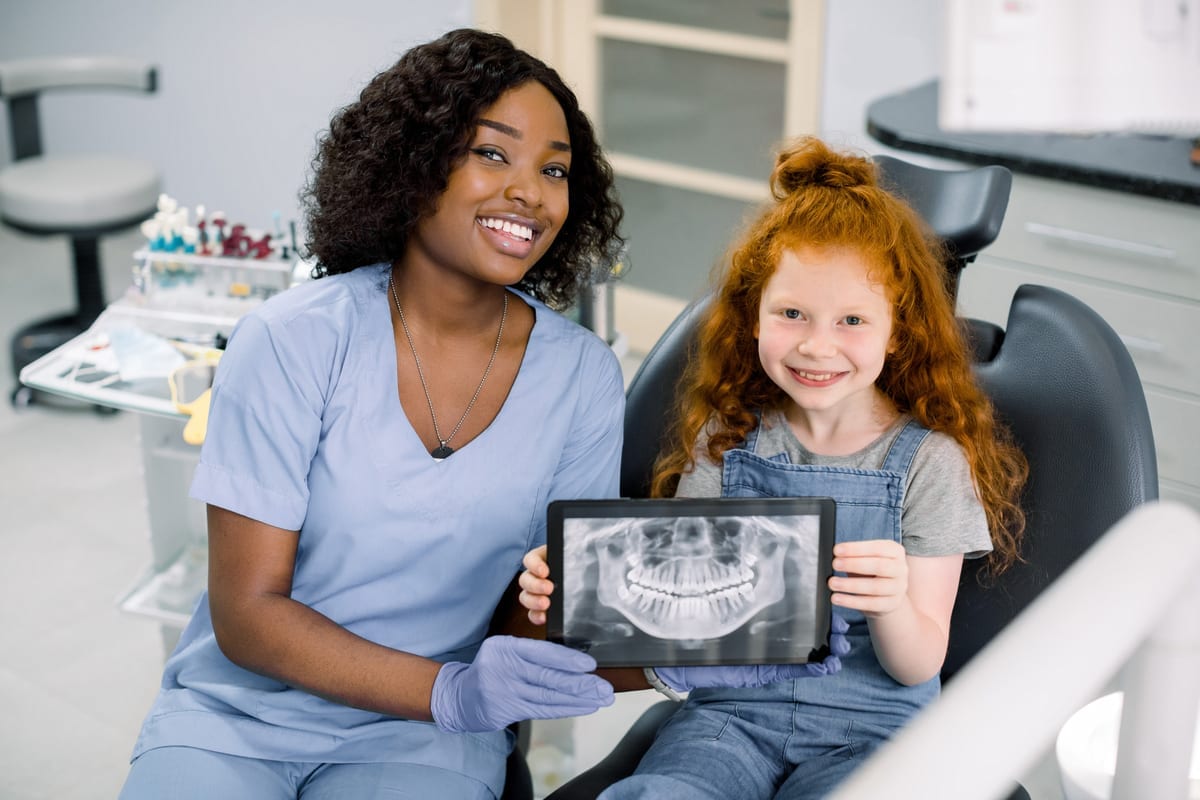
Sealants are a powerful tool, but they work best alongside other preventive measures. Regular cleanings and exams catch early problems before they worsen. Fluoride treatments strengthen enamel and further reduce cavity risk. Together, these services form a comprehensive shield for your child’s smile.
Dr. Mai recommends dental visits every six months for most children. Consistent check-ups allow the team to monitor sealant integrity over time. If a sealant chips or wears down, it can be repaired or reapplied quickly. Staying on schedule keeps protection at its strongest level.
Good habits at home matter too. Encourage twice-daily brushing with fluoride toothpaste. Make flossing a nightly routine, even for young children. Limit sugary snacks and drinks between meals to reduce acid exposure on teeth. These habits, combined with professional care, set children up for a lifetime of healthy smiles.
For adults in the family looking to maintain their own smile health, we also offer Invisalign Tomball as part of our comprehensive care options. Healthy alignment contributes to easier cleaning and better long-term oral health.
Frequently Asked Questions
At what age should my child get dental sealants?
Most dentists recommend sealants when the first permanent molars appear, usually around age 6. A second application is often advised when the second molars come in around age 12. The earlier sealants are placed, the more cavity-prone years they protect against. Dr. Mai will assess your child’s individual development during their exam.
How long do dental sealants last?
Sealants typically last between 5 and 10 years when properly maintained. Dr. Mai checks sealant condition at every routine visit. If a sealant shows signs of chipping or wear, it can be easily repaired. Regular check-ups ensure your child’s sealants always provide maximum protection.
Are sealants safe for children?
Yes, dental sealants are considered very safe and have been used for decades. The materials are approved and thoroughly researched. The procedure involves no needles or drilling, making it gentle and stress-free. Dr. Mai uses high-quality materials and follows strict safety protocols for every patient.
Can sealants be placed over existing cavities?
Sealants are designed for teeth that are free of decay. If a tooth already has a cavity, it must be treated before a sealant can be applied. This is another reason early intervention matters so much. Catching teeth before decay begins allows sealants to do their job most effectively.
Do sealants replace brushing and flossing?
No, sealants complement good oral hygiene but do not replace it. They protect the chewing surfaces of molars specifically. Brushing and flossing still protect all other tooth surfaces, including between teeth and along the gumline. A complete preventive routine includes sealants, brushing, flossing, and regular professional cleanings.
Protecting your child’s smile today is the single best way to avoid costly dental problems tomorrow. At Restoration Smiles in Tomball, TX, Dr. Jennifer Mai and our caring team are here to guide your family every step of the way. Book Now to schedule your appointment with our team.