CLICK HERE TO DOWNLOAD YOUR HEALTHYSTART™ GUIDE


Catch Cavities Early: Why Digital X-Rays Save Your Child’s Teeth Tomorrow
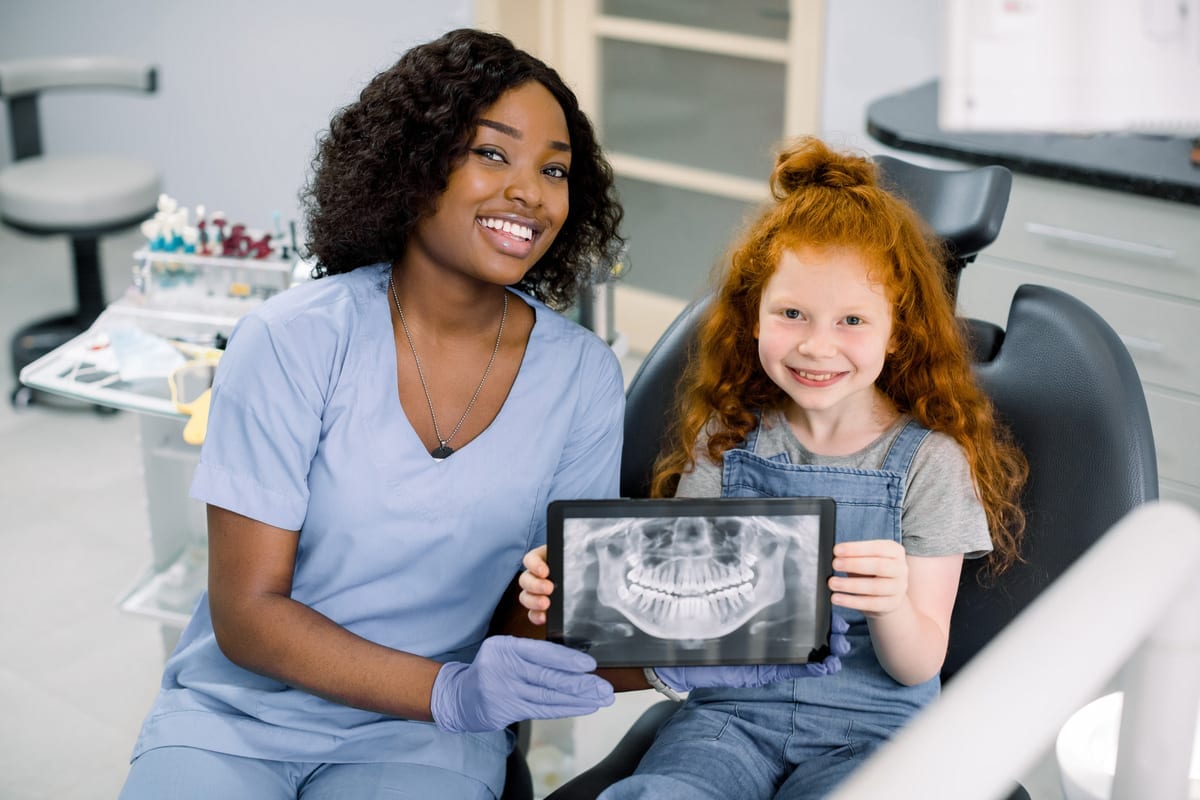
Most cavities in children start small and silent. By the time a tooth hurts, the damage has already grown. At Restoration Smiles – Dentist Tomball, Dr. Jennifer Mai uses children’s digital X-rays to catch cavities early — before they become painful and expensive to treat. For families in Tomball, TX, this simple step is one of the smartest prevention moves you can make for your child’s long-term dental health.
Why Early Detection Changes Everything for Your Child’s Smile
Tooth decay in children moves faster than most parents expect. A tiny cavity left untreated can reach the inner pulp of a tooth within months. Once that happens, your child may need more complex restorative care — or even a tooth extraction. Catching problems at the earliest stage keeps treatment simple, gentle, and affordable.
Digital X-rays make this early detection possible. They reveal decay hiding between teeth, under the gumline, and below the surface — places a visual exam simply cannot see. Dr. Mai reviews these images at every checkup to spot any concern before it progresses. This is exactly why children’s cleanings and exams include X-rays as a core part of the visit.
Early action also protects the spacing and alignment of permanent teeth. Baby teeth hold space for adult teeth to erupt correctly. Losing them too soon due to untreated decay can lead to crowding that may one day require Invisalign Tomball or other alignment treatment later in life.
How Children’s Digital X-Rays Work at Restoration Smiles in Tomball
Many parents worry about radiation exposure from dental X-rays. Digital X-rays use up to 90% less radiation than traditional film X-rays. They are considered very safe for children of all ages, including toddlers and infants. Dr. Mai and the team follow age-appropriate guidelines for how often X-rays are recommended.
The process itself is quick and comfortable. A small sensor is placed gently inside your child’s mouth. The image appears on a screen within seconds. Dr. Mai can point directly to the image and explain what she sees in plain language — making it easy for parents to understand exactly what is happening.
Here is what the digital X-ray process looks like during a typical visit:
- Your child sits comfortably in the dental chair
- A small, smooth sensor is placed between the teeth
- The X-ray takes less than a second per image
- Dr. Mai reviews the images with you immediately
- A clear treatment plan is discussed if anything is found
The entire X-ray portion of the visit typically takes just a few minutes. For most children, it feels no different from a regular exam.
What Happens When a Cavity Is Caught Early vs. Late
The difference between early and late cavity detection is dramatic. A cavity caught in its earliest stage can often be treated with a simple filling or a protective sealant. That means no drilling, no sedation, and a very short appointment. Your child experiences little to no discomfort.
A cavity caught late tells a very different story. Advanced decay may require a dental crown, a pulpotomy (a procedure similar to a root canal for baby teeth), or even extraction. These procedures take longer and cost significantly more. They can also be stressful for young children and anxious parents.
Consider these two paths side by side:
- Early detection: Small filling or sealant, minimal discomfort, short visit, low cost
- Late detection: Crown or pulpotomy, longer appointment, potential sedation, higher cost
- No detection: Tooth loss, spacing problems, impact on permanent teeth
The numbers make a clear case. Investing in regular digital X-rays as part of your child’s preventive care is far less costly — in every way — than treating advanced decay.
Prevention Services That Work Together to Protect Your Child’s Teeth
Digital X-rays are powerful on their own. But they work best as part of a complete preventive care plan. At Restoration Smiles, Dr. Mai pairs X-ray technology with other proven tools to give your child the strongest protection possible.
Fluoride treatments strengthen tooth enamel and make it more resistant to acid attacks from bacteria. Sealants for children create a physical barrier over the grooves of back teeth — the spots most prone to cavities. Together, these services create layers of defense that significantly reduce your child’s cavity risk.
Regular children’s cleanings and exams remove plaque buildup that brushing misses. Even children with great brushing habits accumulate buildup over time. Professional cleanings reset the baseline, and X-rays confirm that nothing is developing beneath the surface.
For children who feel nervous about dental visits, Dr. Mai also offers sedation dentistry for children. A calm, comfortable child is more cooperative during X-rays and exams — which means better images and more accurate results. Anxiety should never be a barrier to getting the care your child needs.
We also welcome the youngest patients. Infant oral exams give Dr. Mai the chance to check development from the very beginning. Early guidance on diet, habits, and hygiene sets the stage for a lifetime of healthy teeth. Just as adults may someday explore options like Cosmetic Dentistry Tomball, building strong healthy teeth in childhood makes those future options even more effective.
When Should Your Child Have Their First Dental X-Ray?
The American Academy of Pediatric Dentistry recommends that X-rays begin when a child’s teeth start to touch — typically around age two to three. This is when decay can start developing between teeth, hidden from a visual exam. Dr. Mai assesses each child individually and recommends X-ray frequency based on their specific cavity risk.
Children with a higher risk of decay — such as those with deep tooth grooves, frequent snacking, or a history of cavities — may benefit from more frequent X-rays. Children with low risk may need them less often. This personalized approach ensures your child gets exactly the level of monitoring they need.
Starting X-rays early also helps children get comfortable with the process. A child who has had X-rays since age three rarely finds them stressful at age eight or twelve. Building familiarity early creates a foundation of positive dental experiences that carries into adulthood.
Conclusion: Small Steps Today Protect Big Smiles Tomorrow
Cavities do not announce themselves. They develop quietly, out of sight, until they cause pain or structural damage. Digital X-rays give Dr. Jennifer Mai and the team at Restoration Smiles – Dentist Tomball the ability to see what the naked eye cannot — and act before small problems become serious ones. For families in Tomball, TX, this preventive tool is one of the most valuable investments you can make in your child’s health. Book Now to schedule your appointment with our team.
Frequently Asked Questions
Are digital X-rays safe for young children?
Yes. Digital X-rays use up to 90% less radiation than traditional film X-rays. They are considered very safe for children of all ages. Dr. Mai follows established guidelines to ensure X-rays are only taken when clinically necessary and appropriate for your child’s age and risk level.
How often should my child get dental X-rays?
The frequency depends on your child’s individual risk for tooth decay. Children with a higher cavity risk may need X-rays every six months. Children with low risk may only need them once a year or every other year. Dr. Mai will recommend a schedule tailored specifically to your child.
At what age should my child first visit the dentist?
The American Academy of Pediatric Dentistry recommends a first dental visit by age one or within six months of the first tooth erupting. Infant oral exams allow Dr. Mai to monitor early development and give parents guidance on diet, hygiene, and habits from the very beginning.
What can digital X-rays detect that a visual exam cannot?
Digital X-rays can reveal decay forming between teeth, early-stage cavities beneath the enamel surface, infection at the root of a tooth, bone loss, and issues with developing permanent teeth. Many of these problems show no visible signs and no pain until they have progressed significantly.
Does Restoration Smiles offer sedation for children who are nervous about X-rays?
Yes. Dr. Jennifer Mai offers sedation dentistry for children who experience dental anxiety. A calm and relaxed child is better able to cooperate during X-rays and exams, which leads to more accurate images and a more positive experience overall. The team will discuss the best option for your child during your consultation.