CLICK HERE TO DOWNLOAD YOUR HEALTHYSTART™ GUIDE


Kid’s First Cavity: What Parents Need To Know

Few things are more heart-sinking for a parent than hearing the dentist say, “Looks like there’s a cavity.” Especially when it’s your child’s first one. Cavities in children are common, but the first experience can be overwhelming—for both child and parent. The good news? With the right knowledge and approach, this dental milestone doesn’t have to be scary.
Let’s dive into what causes cavities, how to spot them early, what to expect from treatment, and how you can prevent future decay.
What Causes That Kid’s First Cavity?
Cavities, or dental caries, form when plaque builds up on teeth and turns sugars into acids that break down enamel. For kids, this often results from a combination of sugary snacks, poor brushing habits, and not enough fluoride.
Other contributors include:
- Frequent snacking or sipping sugary drinks.
- Lack of flossing (yes, kids need it too!).
- Not visiting the dentist regularly.
The first cavity is usually found in the molars—the back teeth—which can be harder to clean and more vulnerable to decay.
How To Spot The Signs?
It’s not always obvious when your child has a cavity. Kids may not recognize pain the same way adults do, or they might not mention discomfort unless asked.
Look out for:
- Complaints of tooth sensitivity or pain, especially when eating sweets or cold foods.
- White or brown spots on the teeth.
- Avoidance of brushing a certain area.
- Swollen or red gums near the tooth.
When in doubt, get it checked out! The earlier the cavity is found, the easier (and less scary) the treatment.
What Happens During a Child’s Cavity Treatment?
One of the biggest concerns for parents is how their child will handle their first filling. Here’s what usually happens:
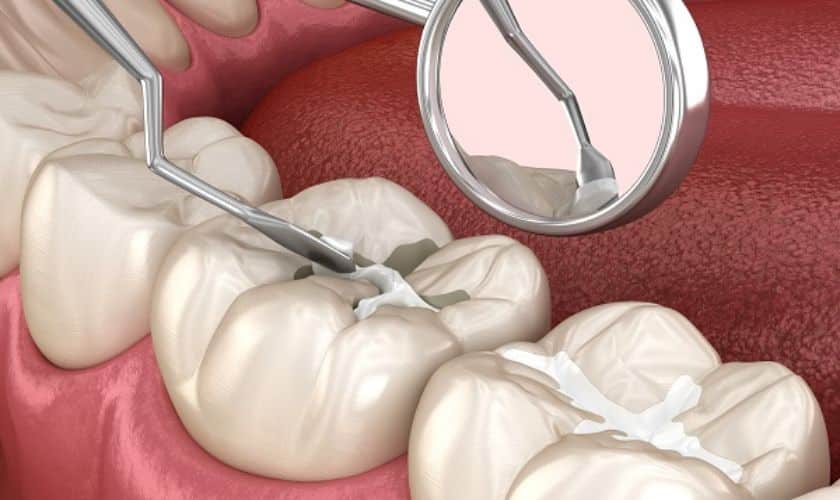
- Numbing the area: A local anesthetic keeps the process pain-free.
- Removing the decay: Family dentist in Tomball, gently removes the decayed portion of the tooth.
- Filling the space: A tooth-colored material is used to seal and protect the tooth.
The entire procedure is typically quick, and with modern tools and gentle techniques, kids often come out smiling.
According to the CDC, over 52% of children aged 6 to 8 have had a cavity in their primary (baby) teeth. This makes early prevention and education crucial in the fight against childhood tooth decay.
How To Prevent The Next One?
The best way to stop the next cavity? Consistency. Building good habits now sets your child up for a lifetime of better dental health.
Here are some simple but effective steps:
- Brush twice daily with fluoride toothpaste.
- Floss properly every day (you can help until they’re coordinated enough).
- Limit sugary snacks and drinks, especially sticky ones.
- Visit the dentist every 6 months.
- Consider dental sealants—a protective coating applied to back teeth to prevent decay
And remember: positive reinforcement works wonders. Celebrate brushing routines, make flossing a game, or use reward charts to encourage consistency.
When To Start Dental Visits?
Parents often wait until something goes wrong to see a dentist, but the first visit should happen by age 1 or within six months of the first tooth erupting, according to the American Academy of Pediatric Dentistry.
Early visits:
- Help your child get comfortable in a dental setting.
- Allow dentists to spot potential issues early.
- Offer guidance on brushing and diet from the very start.
It’s a Learning Moment, Not a Failure
Your child’s first cavity isn’t the end of the world—it’s an opportunity. It’s a chance to teach them the value of dental care, introduce healthy habits, and take an active role in their health journey.
Every smile has a story. With the right approach, this chapter can be one of empowerment, education, and—yes—even a little fun.
So breathe easy, brush regularly, and remember: you’ve got this.