CLICK HERE TO DOWNLOAD YOUR HEALTHYSTART™ GUIDE


Don’t Let Cavities Ruin Your Smile: The Importance of Sealants
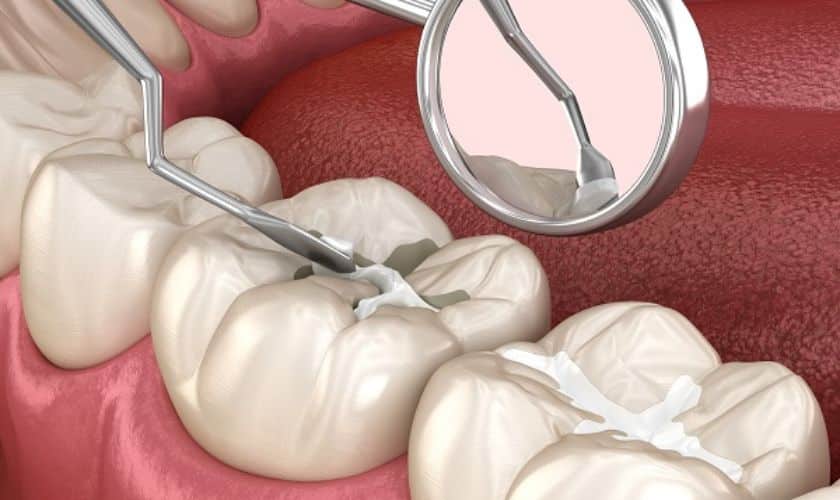
Are you tired of constantly dealing with pesky cavities that ruin your beautiful smile? Look no further! In this blog post, we will discuss the importance of sealants in preventing cavities and maintaining optimal oral health. Whether you’re a parent wanting to protect your child’s teeth or an adult looking to improve your dental care routine, this information is essential. So say goodbye to painful fillings and hello to a brighter, healthier smile by learning about the benefits of sealants today!
What is a Sealant?
Sealants are dental adhesives that keep teeth in place and protect them from decay. They come in various colors, textures, and strengths and can be applied by dental professionals or at home. According to studies, nearly half of children aged 6–11 (42%) and adolescents aged 12–19 (48%) had dental sealants on permanent teeth.
The most common types of sealants are white putty-like material placed on the tooth’s surface and dried and clear resin that is adhered to the tooth’s surface by a light coating of vaseline.
When correctly applied, Dental sealants form a barrier against bacteria and decay that lasts up to six months. They can also help reduce the appearance of tooth discoloration and improve gum health. Sealants are especially important for children, who are more likely to suffer from cavities because their teeth are still developing. If you have questions about whether sealants suit you, schedule an appointment with your dentist.
Types of Sealants
Various sealants are available on the market, each with its own benefits and drawbacks. Here are four types of sealants and their purposes:
1. Enamel-Filled Dental Restorer (EFR): EFR sealants are most commonly used to fill in small gaps and cracks in teeth caused by decay or injury. They can also be used to camouflage minor tooth damage or discoloration. EFR sealants are resistant to water, food, and plaque accumulation, which makes them ideal for protecting teeth against cavities and other dental problems.
2. Compound (Restorative) Sealant: Compound sealants are similar in function to EFR sealants, but they have a more rigid surface that can resist wear and tear better than EFR sealants. They are often used to repair larger areas of damage or fill significant gaps between teeth.
3. Primer/Adhesive Sealant: Primer/adhesives sealants help protect teeth against future decay by filling in small cracks before you apply your regular sealant. They work best if you apply them simultaneously as your regular sealant so they can bond properly. Some primers also contain fluoride, so they help prevent cavities from forming.
4. Restorative Denture Sealing Agent (RDSA): RDSAs are a type of adhesive that is applied directly to dentures to keep them intact
How Do Sealants Work?
Sealants are a type of dental adhesive that is placed on the teeth to keep them from becoming cavities. They create a seal around the tooth, preventing food and bacteria from getting into the tooth. Over time, this can help to reduce the risk of cavities.
What Are the Benefits of Sealants?
Sealants are dental adhesives used to fill in cavities and repair tooth decay. They come in various colors, textures, and strengths, so you can choose the one that is best for your needs.
They have several benefits for your teeth and smile:
Sealants improve tooth retention. It means that sealants can help to prevent future tooth loss from decay or wear.
They improve the appearance of teeth. In addition, sealants can help to fill in any gaps or cracks in your teeth’s surface, giving you a broad healthy-looking smile.
They decrease the risk of gum disease. Sealants bond tightly to the surface of your teeth, helping to stop food and plaque from building up between your teeth and gums. This protection also reduces your chances of developing gum disease in the future.
They are an effective way to prevent cavities from developing in the first place. By filling in cavities before they become too big or deep, you’re significantly reducing the risk of them becoming full-blown problems later.
How to Choose the Right Sealant for Your Needs
If you’ve been considering getting these, now is an excellent time to consider their benefits. In this article, we’ll outline some things to remember when choosing the proper them for your needs.
First and foremost, it’s essential to know that not all they are created equal. Some are made to be more durable than others, while others may be better suited for specific applications. It’s also important to consider your oral health goals before purchasing. For example, choose one with fluoride if you want a sealant to protect against cavities. However, non-fluoride options are also available if you want a cosmetic measure.
Once you have determined what kind of sealant is best for your needs, it’s time to look at the different types on the market. There are three main types of sealants: adhesives, composites, and resins. Adhesives are typically used for quick fixes or emergency repairs. Composites are designed to be more durable and last longer than adhesives but can be more challenging to apply. Finally, resins are the most popular sealant type and offer aesthetic and functional benefits.
When deciding which type is best for you, it’s essential to consider how frequently you plan on using it and how much prep work is necessary before the application.
If you want to keep your smile healthy and sparkling, knowing about sealants’ role is essential. They help protect teeth from decay and other problems by forming a barrier between the tooth and the enamel. They also reduce sensitivity effectively, making them an excellent choice for people who experience discomfort when eating or drinking hot beverages. In addition, they provide long-term protection against cavities and other dental problems. Schedule an appointment with our team today to learn more about our range of sealants and how they could benefit your smile!