CLICK HERE TO DOWNLOAD YOUR HEALTHYSTART™ GUIDE


Dentist In Tomball Reveals Common Reasons For Oral Surgery
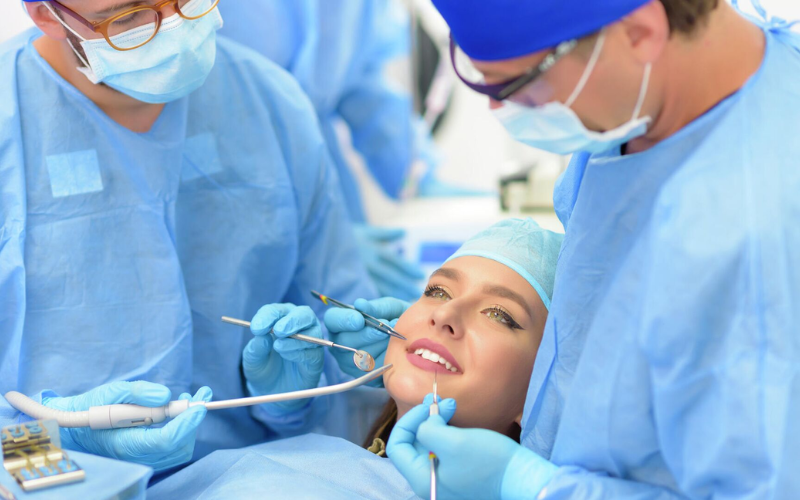
Oral surgery is often seen as a complex and intimidating procedure, but many patients undergo these treatments to address various dental issues that can’t be solved with routine procedures like fillings or cleanings. From wisdom tooth extraction to complex jaw corrections, oral surgery plays a vital role in ensuring long-term oral health.
In this blog, we’ll explore some of the most common reasons why people need oral surgery and why these procedures are very crucial for maintaining a healthy smile.
Oral Surgery and Its Importance
Oral surgery refers to any surgical procedure that addresses problems in the mouth, teeth, gums, or jaw. It can be necessary for a wide variety of reasons, ranging from simple extractions to more complex treatments like jaw realignment.
While many people might feel anxious about undergoing surgery, it’s important to understand that oral surgery is often the most effective and lasting solution for certain dental conditions.
Common Reasons for Oral Surgery
Several dental issues may require surgery to prevent further complications. Here are some of the most common reasons people need oral surgery:
1. Wisdom Tooth Extraction
One of the most common types of oral surgery is the removal of wisdom teeth. These third molars typically emerge between the ages of 17 and 25, and often, there is not enough room in the mouth to accommodate them.
This can lead to impaction, infection, or overcrowding, all of which can cause significant pain or damage to surrounding teeth.
Why extraction is necessary?
- To avoid tooth impaction.
- Prevent infection in the gums.
- Alleviate overcrowding and alignment issues.
2. Tooth Extractions for Severe Decay or Damage
Sometimes, a tooth becomes too decayed or damaged to be saved with fillings or crowns. When this happens, extraction is necessary to preserve overall oral health and prevent the spread of infection.
Removing a severely damaged tooth allows for the area to heal, and it opens the door for restorative treatments like dental implants or bridges.
When is extraction necessary?
- When a tooth is severely decayed.
- When a tooth is cracked or broken beyond repair.
- To remove teeth affected by advanced gum disease.
3. Corrective Jaw Surgery (Orthognathic Surgery)
Some individuals have misaligned jaws that cause pain, difficulty in chewing, or problems with speech. Corrective jaw surgery can help realign the jaw to improve function, comfort, and appearance. This type of surgery is typically necessary for those with severe bite issues or congenital jaw deformities.
Why it’s needed?
- To fix misalignments causing pain.
- To correct jaw and bite problems.
- Improve appearance and facial symmetry.
4. Dental Implants
Dental implants are a popular solution for replacing missing teeth. Instead of removable dentures or bridges, implants are permanent fixtures that fuse with the bone in the jaw, creating a natural, long-lasting replacement for lost teeth. The process involves surgically placing a titanium post into the jawbone, which eventually supports a crown or bridge.
Benefits of dental implants:
- Permanent solution to missing teeth.
- Improved ability to chew and speak.
- Better preservation of jawbone health.
5. Treatment for Gum Disease (Periodontal Surgery)
Advanced gum disease, or periodontitis, can lead to tooth loss and other serious oral health issues. In cases where deep pockets of infection form around the teeth and gums, surgical treatment may be required to remove diseased tissue and promote healing.
This type of surgery can restore the health of your gums and prevent further damage to the bone and teeth.
Why is periodontal surgery necessary?
- To clean out infected gum tissue.
- To repair gum recession and bone loss.
- Prevent tooth loss caused by advanced gum disease.
6. Cleft Lip and Palate Surgery
Cleft lip and palate are congenital conditions that occur when a baby’s lip or mouth doesn’t fully develop during pregnancy. Surgery is often required to repair these conditions and restore proper function and appearance to the face and mouth.
Early intervention can help improve speech development, ease eating, and enhance facial aesthetics.
Surgical goals include:
- Repairing the gap in the lip and/or palate
- Restoring normal facial appearance
- Supporting the development of speech and eating functions
When To Seek Oral Surgery?
Recognizing when oral surgery is needed can be difficult, as many dental conditions evolve slowly. However, if you experience any of the following symptoms, it’s important to consult a dental professional about whether surgery may be necessary:
- Chronic pain in your teeth or jaw.
- Swelling or bleeding gums that don’t go away.
- Difficulty chewing, speaking, or swallowing.
- Teeth that are loose or shifting.
- Severe discomfort from wisdom teeth.
Our dentist in Tomball can evaluate your condition and recommend whether oral surgery is the best option.
What Does The Oral Surgery Process Involve?
You may feel apprehensive if you’re scheduled for oral surgery, but understanding the process can help alleviate any concerns. Here’s an overview of what typically happens:
Consultation & Examination
During your initial visit, our dentist will take X-rays and conduct a thorough examination to determine the severity of the problem. Based on this, they’ll recommend the best surgical approach.
Surgical Procedure
Depending on the type of surgery, the dentist will provide anesthesia to ensure you remain comfortable. The procedure may take anywhere from 30 minutes to several hours, depending on the complexity.
Recovery
After the surgery, you may experience swelling and discomfort, which can usually be managed with ice packs and prescribed medications. Full recovery varies by procedure, but most patients can return to normal activities within a few days to a week.
Importance of Timely Oral Surgery
Oral surgery is often necessary to preserve your overall dental health and well-being. Whether it’s removing problematic wisdom teeth or addressing issues like gum disease or misaligned jaws, timely intervention can prevent further complications.
If you’re going through any of the symptoms mentioned above, it’s important to consult with a dentist in Tomball to determine the best course of action.
Oral surgery may seem daunting, but with proper care and attention, it can have a positive impact on your oral health for years to come. Contact your oral surgeon to discuss your options and take the first step toward a healthier smile.