CLICK HERE TO DOWNLOAD YOUR HEALTHYSTART™ GUIDE


Healing After a Dental Bone Graft: What to Expect

You’ve finally booked that dental bone graft you’ve been avoiding—and now, a host of new questions arise. What happens next? Does it ache for days? When will you get back to normal? Such concerns are far more prevalent than one might guess. Bone grafting is indeed an extremely precise surgical procedure assisting in jawbone structure restoration, oftentimes prerequisite to dental implant placement. However, the recuperation process? That’s when patience enters into play.
Let’s explore how long healing takes after a dental bone graft, so you understand what’s going on, what is normal, and what requires notice.
What Do I Experience Shortly After the Bone Graft?
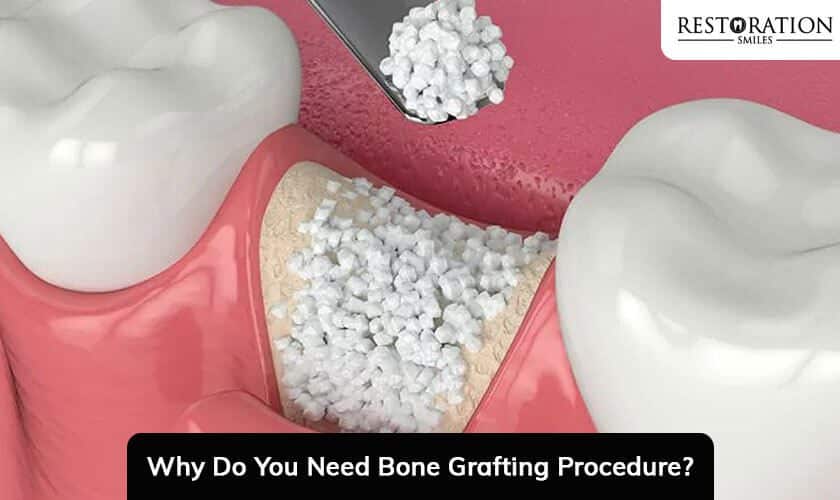
As soon as the procedure finishes, your body starts a comprehensive repair process. Although you’ll not notice, your cells will be working nonstop behind the scenes to repair bone tissue and incorporate the graft material.
These are the things you can look forward to over the first couple of days:
- Mild to moderate swelling and tenderness (usually controlled with medication or cold packs)
- A small amount of bleeding at the graft site
- Instructions from your doctor for a soft diet to keep the area from being put under pressure
- Mild tightness or tension in the jaw, depending on where the graft is located
The healing phase after a dental bone graft typically takes at least a week. Most patients have cited significant improvement around day five or six.
Week-by-Week Recovery: A General Timeline
Recovery after a bone grafting surgery takes time. Some patients feel practically normal after two weeks, and others take a few months, particularly if the bone volume needed was considerable.
Week 1–2
New tissues start building around the graft
Discomfort subsides gradually
Sutures dissolve or get removed
Week 3–6
Swelling fades
Bone cells begin integrating with the graft
Gums start looking and feeling better
After Two Months
All the healing takes place quietly beneath the surface
Your dental professional will track bone growth using imaging
You’ll probably prepare for the next step (such as a dental implant)
Healing is not a linear process. It’s fine if your timeline is a little askew, as long as your dental team assures you that you’re on schedule.
Things That Can Influence Healing Time After A Dental Bone Graft
Your general health is a big factor. Healing can take longer if you:
- Smoke or use tobacco
- Have diabetes or an autoimmune disorder
- Don’t heed post-operative care rules religiously
- Apply pressure too early to the graft site
This is one reason why it’s so helpful to have regular follow-up visits. They let your doctor respond to how the graft is healing now, not according to what’s known to work hypothetically.
Ways to Recover After Bone Grafting
Easy steps may help facilitate good healing after a dental bone graft:
- Eat a soft food diet—blend smoothies, mashed potatoes, broths
- Sleep with your head raised slightly for the initial nights
- Don’t touch the graft site with your fingers or tongue
- Maintain gentle oral hygiene around the site
- Take all medications as directed
You’ll probably be instructed to avoid heavy exertion for a week or more. Let your body rest when it needs to—it’s doing much more in the background than you can sense.
Recovery Is a Process, Not a Race
Recovery from a dental bone graft is not a one-size-fits-all affair. Some individuals breeze through recovery with few problems, while others take longer—and that’s just fine. What’s most important is that you’re closely communicating with your dental provider, following your recovery protocol, and being attentive to changes.
Got questions specific to your case? Call our dental office today to arrange for a one-on-one consultation in Tomball, TX, and receive easy next steps. We’re here to assist you in healing after a dental bone graft.