CLICK HERE TO DOWNLOAD YOUR HEALTHYSTART™ GUIDE


What to Expect When Getting Dental Implants
Missing teeth can be a source of both functional and aesthetic concerns. They can make it difficult to chew properly, affect your speech, and leave you feeling self-conscious about your smile. Dental implants in Tomball, TX, offer a long-lasting solution to missing teeth, restoring both function and confidence. But if you’re considering dental implants, you might have questions. What exactly happens during the procedure? How long does it take? What should you expect after surgery? This comprehensive guide will take you through the entire dental implant process step-by-step. Also, this blog will help you make an informed decision and feel prepared for your journey to a renewed smile.
Initial Consultation: Discussing Your Needs and Goals
The first step towards dental implants in Tomball, TX, is a consultation with your dentist or a periodontist (a gum specialist). This initial appointment allows you to discuss your concerns and goals for replacing your missing teeth. The dentist will examine your mouth, teeth, and jawbone to assess your candidacy for implants. They will also discuss your medical history to ensure there are no underlying conditions that could impact the procedure’s success. Here are some important questions to ask your dentist during a dental implant consultation:
– What type of implants are best for me? There are different types of implants available, and the dentist will recommend the best one based on your specific needs and jawbone health.
– How many implants will I need? This will depend on how many teeth you are missing and their location in your mouth.
– What will the entire implant process be like? The dentist will walk you through each step of the procedure, from initial placement to getting your new teeth.
– How long will each stage of the treatment take? This will give you an idea of the overall timeline for getting your implants.
– How much will dental implants cost? Dental implants are an investment, so it’s important to understand the associated costs upfront. This may include the implant itself, surgery fees, and the replacement tooth (crown).
– Will my dental insurance cover any part of the procedure? Dental insurance coverage for implants varies, so be sure to check with your provider to see what’s covered.
Pre-surgical Planning: Ensuring Implant Success
Once you and your dentist decide to proceed with dental implants, a series of pre-surgical procedures may be needed to ensure optimal implant placement and successful integration with your jawbone. These may include:
- X-rays and CT scans: These imaging studies provide detailed pictures of your jawbone structure and remaining teeth. As a result, it allows the dentist to plan the exact location and size of the implants.
- Bone grafting (optional): If your jawbone has deteriorated due to missing teeth for a long time, you might need bone grafting to create a strong foundation for the implants. This procedure involves transplanting bone tissue from another area of your jaw or a synthetic bone substitute to the implant site.
- Teeth extractions (optional): If you have damaged or unhealthy teeth that need to be removed before implant placement, your dentist will perform extractions during this stage.
The Surgical Procedure: Placing the Implants
The dental implant surgery itself is typically performed under local anesthesia or light sedation. Your dentist will make a small incision in your gum tissue to expose the jawbone. Tiny holes will then be drilled into the bone to create precise channels for the implants. The dental implants, usually made of titanium, are then surgically inserted into the prepared channels. Your dentist will then stitch the gum tissue closed around the implants. In some cases, a temporary restoration might be placed on top of the implant site while the osseointegration process occurs (explained below). However, this depends on the type of implant and your dentist’s treatment plan.
Healing and Osseointegration
Following the surgery, your jawbone will begin to heal and fuse with the surface of the implants in a process called osseointegration. This crucial stage typically takes several months, allowing the implants to become firmly anchored within the bone. During this time, you’ll need to follow a special diet of soft foods and practice meticulous oral hygiene to promote healing and prevent infection. While the osseointegration process occurs, a temporary restoration might be used to fill the gap left by the missing tooth. This temporary solution can help maintain your smile aesthetics and function while you wait for the implants to integrate fully.
Placing the Abutment and Restoration
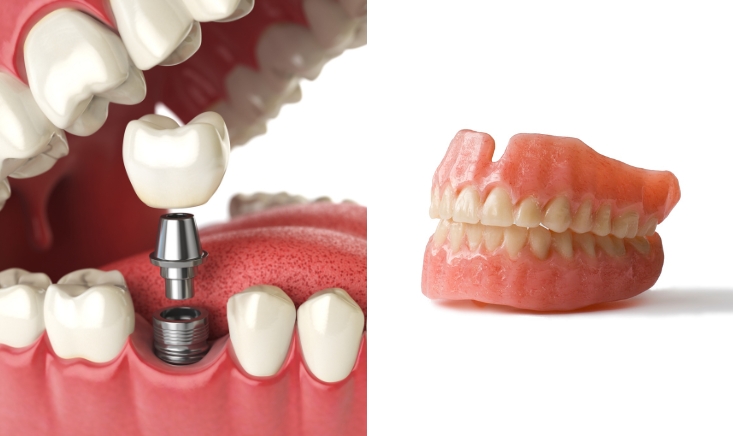
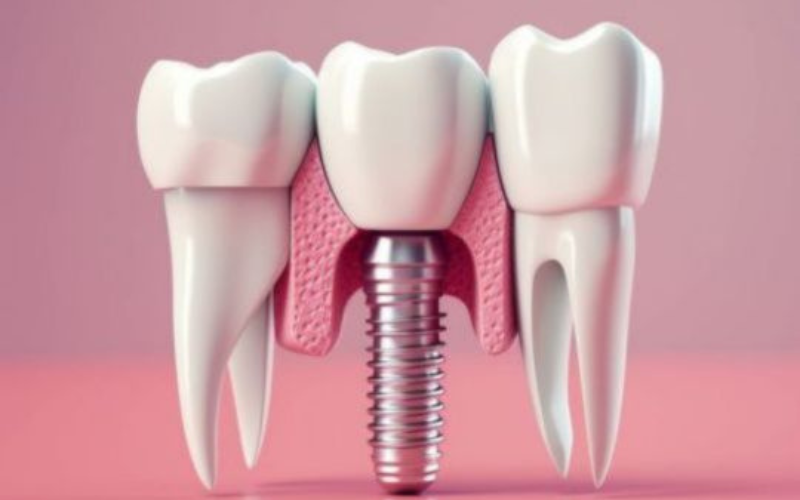
Once osseointegration is complete, you’ll return to your dentist for the placement of the abutment. The abutment is a small connector piece that attaches to the implant and protrudes slightly above the gum line. It serves as the foundation for the final restoration, such as a dental crown, bridge, or denture. The dentist will take impressions of your mouth and surrounding teeth to create a custom-made restoration that seamlessly integrates with your smile. This restoration will be securely attached to the abutment, providing a natural-looking and fully functional replacement for your missing tooth.
Recovery and Aftercare: Maintaining Your Dental Implants
To make sure they function and look fantastic for years to come, here’s what you can do:
- Brushing and Flossing: Keep up your excellent brushing routine! Use a soft-bristled brush and be gentle around the implant area. Flossing daily is also crucial.
- Dental Cleanings: Regular dental checkups and cleanings are essential. Your dentist can thoroughly clean the implant and monitor its health.
- Gum Disease Prevention: Brushing, flossing, and regular cleanings are your best defense against gum disease, which can threaten implants.
When considering dental implants in Tomball, TX, understanding what to expect is key to a successful experience. From the initial consultation to the final restoration, the process involves several steps that require patience and commitment. By working closely with your dental team and following post-operative care instructions, you can look forward to a restored smile that feels and functions like natural teeth. Embrace the journey with confidence, knowing that dental implants offer a long-term solution for a beautiful, healthy smile.