CLICK HERE TO DOWNLOAD YOUR HEALTHYSTART™ GUIDE


Invisalign vs. Braces: Which Is Right for You?
Your smile is a powerful tool, capable of expressing joy, confidence, and warmth. When it comes to achieving the perfect smile, you may find yourself at a crossroads, deciding between Invisalign and traditional braces. Your choice is significant, as it can impact your oral health, comfort, and confidence. In this comprehensive guide, we will delve into the key differences between Invisalign and braces, helping you make an informed decision that suits your unique needs. Whether you’re concerned about aesthetics, maintenance, or effectiveness, we’ve got you covered. Let’s explore the world of orthodontics and discover which option aligns with your goals.
What Is Invisalign?
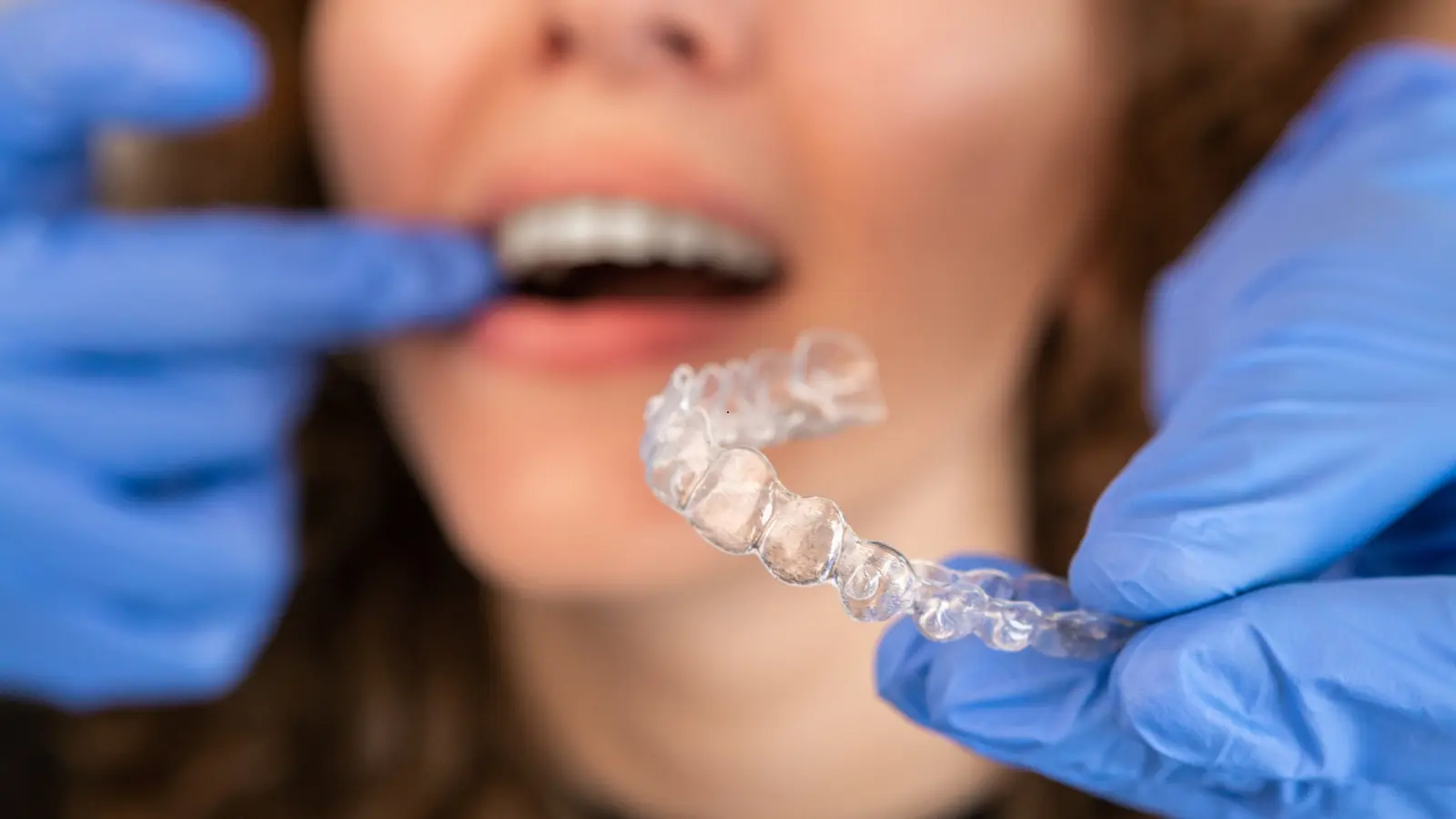
Invisalign has revolutionized the field of orthodontics, offering an innovative approach to teeth straightening. These clear aligners are virtually invisible, making them a popular choice for those who want to discreetly enhance their smiles. The Invisalign system involves a series of custom-made aligners that gradually shift your teeth into the desired position. One of the primary advantages of Invisalign is its aesthetic appeal. People often can’t tell you’re wearing them. They are removable, which means you can take them out while eating, making oral hygiene easier. However, they require a high level of commitment to achieve the desired results, as they need to be worn for 20-22 hours a day.
What Are Traditional Braces?
Traditional braces have been a trusted method for teeth correction for many years. They consist of brackets, wires, and bands that are glued to the teeth and tightened periodically by the orthodontist. The continuous pressure exerted on the teeth gradually moves them into the desired position. Braces are effective for addressing a wide range of orthodontic issues and are typically recommended for more complex cases. They require periodic adjustments, and they’re not removable, which means you must be mindful of what you eat to avoid damage. Some people might consider braces less aesthetically pleasing due to their visibility, but modern options are more discreet.
Comparing Invisalign & Traditional Braces
Aesthetic Appeal
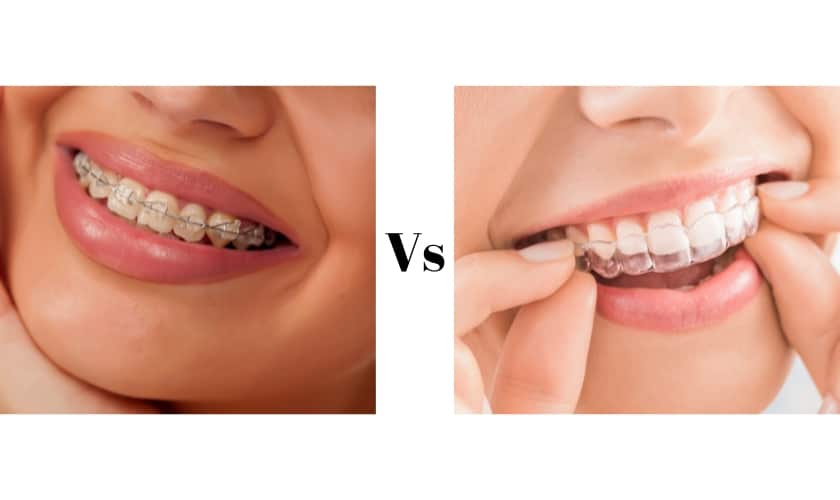
One of the most noticeable differences between Invisalign and traditional braces is their appearance. Invisalign aligners are transparent and virtually invisible when worn, making them an excellent choice for those who prefer a discreet orthodontic solution. This makes Invisalign particularly popular among adults and teens who may be self-conscious about their appearance during treatment.
Traditional braces, on the other hand, are composed of visible brackets, wires, and bands, which some individuals may find less aesthetically pleasing. However, it’s worth noting that modern orthodontics offers clear or ceramic braces, which are less conspicuous than traditional metal braces, providing a compromise between aesthetics and effectiveness.
Maintenance and Oral Hygiene
Maintenance is a crucial factor to consider when choosing between Invisalign and traditional braces. Invisalign offers the advantage of being removable, allowing you to take out the aligners when eating and performing your oral hygiene routine. This ease of removal makes it simpler to keep your teeth clean, as you can brush and floss as you normally would.
In contrast, traditional braces are fixed in place, which means you need to be meticulous in cleaning around the brackets, wires, and bands. Food particles can become trapped, leading to plaque buildup, and it’s essential to attend regular check-ups with your orthodontist to ensure your braces are properly adjusted and maintained.
Comfort and Discomfort
Comfort during orthodontic treatment is a consideration for many patients. Invisalign aligners are made of smooth, comfortable plastic, which reduces the likelihood of mouth sores or irritation. While some individuals may experience slight pressure or discomfort when transitioning to a new set of aligners, overall, Invisalign tends to be a more comfortable option.
Traditional braces, on the other hand, can cause initial discomfort when the hardware is first placed and during subsequent adjustments. The mouth needs time to adapt to the brackets and wires, which may lead to soreness or irritation. Over time, this discomfort generally lessens, but it can be a factor to consider.
Treatment Duration
The length of treatment can be an important factor in the decision between Invisalign and traditional braces. In general, Invisalign treatment may be shorter than traditional braces. It often ranges from 12 to 18 months, making it a quicker solution for some orthodontic issues.
Traditional braces, on the other hand, typically require a longer treatment duration, spanning from 18 to 36 months, depending on the complexity of the case. If you’re looking for a faster solution and have less severe orthodontic issues, Invisalign may be the more time-efficient option. However, for more complex cases, traditional braces may be more effective in achieving the desired results.
Effectiveness for Orthodontic Issues
The effectiveness of treatment is a key consideration. Invisalign aligners are suitable for addressing a variety of orthodontic issues, including minor to moderate misalignments and bite problems. However, they may not be the ideal choice for complex or severe cases. Traditional braces, with their precise control and ability to exert continuous pressure on the teeth, are highly effective for addressing a wide range of orthodontic problems. If you have complex issues that require significant tooth movement, braces may be the preferred option to achieve optimal results.
Cost and Insurance
Cost is an important practical consideration. Invisalign tends to be more expensive than traditional braces due to the advanced technology and materials used in the aligners. The cost of orthodontic treatment can vary based on factors such as the complexity of your case and your location. It’s advisable to check with your orthodontist about the specific costs and whether your dental insurance covers any part of the treatment. Keep in mind that some insurance plans may offer coverage for traditional braces but not for Invisalign, so it’s crucial to factor this into your decision.
When Do You Need Invisalign & Traditional Braces
Invisalign may be the right choice if…
- You have mild to moderate orthodontic issues such as minor crowding or spacing, crooked teeth, or a slight overbite.
- You prefer a discreet orthodontic solution that doesn’t significantly impact your appearance during treatment.
- You are committed to wearing aligners for the recommended 20-22 hours a day and can manage their removal during meals and oral care.
Traditional braces are more suitable if…
- You have complex orthodontic problems, including severe misalignments, significant bite issues, or the need for extensive tooth movement.
- Aesthetics are a secondary concern, and you prioritize the effectiveness of the treatment over visibility.
- You are comfortable with the fixed nature of braces and don’t mind adhering to a stricter oral hygiene routine to maintain them.
Invisalign aligns with your needs when…
- You seek a shorter treatment duration, typically ranging from 12 to 18 months, especially for less complicated cases.
- The cost, although higher than traditional braces, is within your budget, and you have dental insurance that covers part of the treatment.
- You value the convenience of removable aligners, which make eating and cleaning your teeth easier.
Traditional braces are a better fit when…
- You have a high tolerance for initial discomfort associated with brackets and wires, knowing that it diminishes with time.
- Your orthodontic issues are extensive and require a longer treatment duration, which can extend from 18 to 36 months.
- You are comfortable with the visible nature of braces and prioritize their effectiveness in addressing severe orthodontic problems.
In the realm of orthodontics, the choice between Invisalign and braces ultimately depends on your specific needs and priorities. Invisalign offers a discreet, aesthetically pleasing option with straightforward maintenance. Braces, while more visible, are highly effective for various orthodontic issues. As you embark on your journey to a confident, healthy smile, consider factors like aesthetics, maintenance, comfort, and treatment duration. To make an informed decision, consult with a qualified orthodontist who can assess your unique needs and recommend the best solution for you.
If you’re in the Tomball area and seeking orthodontic expertise, consider Restoration Smiles. Their experienced team, including a skilled dentist in Tomball, is dedicated to providing personalized orthodontic care to help you achieve the smile you’ve always wanted. Contact Restoration Smiles today and take the first step toward your perfect smile. Your journey to a more confident and beautiful you begins here.