CLICK HERE TO DOWNLOAD YOUR HEALTHYSTART™ GUIDE


Importance of Dental Care: A Parent’s Guide to Children’s Dentistry

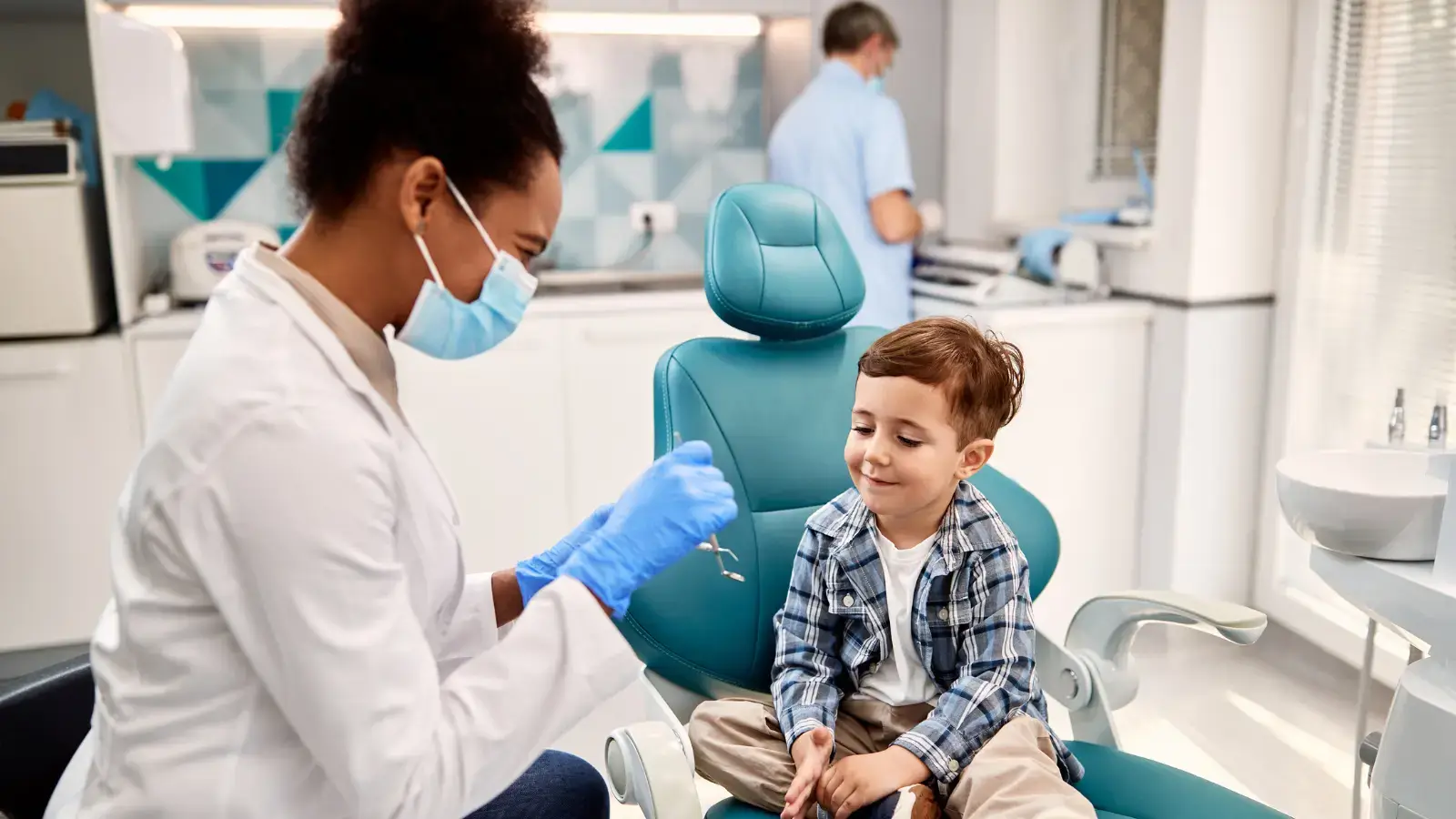
As parents, we always want what’s best for our children. We spend countless hours researching everything from the best schools to the healthiest foods. But one area that often gets neglected is dental care. Among adolescents aged 12 to 19, more than half (57%) have had a cavity in their permanent teeth, so frequently taking your kid to a dentist for specialized children’s dentistry is essential. Many believe baby teeth aren’t necessary because they’ll eventually fall out anyway. However, this couldn’t be further from the truth! Early dental care is crucial for a child’s overall health and well-being. Join us as we explore why it’s so important to prioritize your child’s oral hygiene and how you can help them develop healthy habits that
will last a lifetime!
What is Dental Care for Children?
Dental care is an integral part of children’s health and well-being. It helps keep their teeth healthy and protects them from developing dental problems in the future.
Tooth decay, or cavities, is the most widespread childhood disease. It can occur when bacteria eat away at the tooth surface around the hole where a tooth is attached to the jawbone. When this happens, plaque (a sticky mixture of food particles and saliva) builds up on the tooth, forming a hard film called calculus. If not treated, calculus can lead to tooth infections and even more severe problems.
There are multiple ways to prevent tooth decay:
Brushing your teeth at least twice a day with fluoride toothpaste and water is the best way to start preventing cavities. Fluoride helps protect against cavities by strengthening enamel – the hard outer layer of your teeth – and reducing the amount of tartar (calcium deposits) on your teeth. However, you may still get cavities if you don’t brush your teeth often enough or use ineffective fluoride toothpaste. Talk to your dentist about using a fluoridated mouth rinse or topical cream to help increase the oral hygiene test’s effectiveness in fighting cavities.
Sitting up straight while eating helps avoid putting pressure on your teeth when you chew food. Don’t put direct pressure on your molars (front 2/3s of your lower jaw) when chewing; use indirect pressure by resting your hand on top of your
How to Select a Dentist who Specializes in Children’s Dentistry?
There are a few things to keep in mind while choosing children’s dentistry for your child. First and foremost, choosing a dentist experienced with children is crucial. Second, find a dentist with experience caring for infants and young children. Finally, always ask the dentist if they have any experience treating specific dental issues related to your child’s age or size.
When searching for a pediatric dentist, it is essential to note that several different types of dentists exist. In general, though, pediatric dentists specialize in working with children between the ages of 3 and 18. Some pediatric dentists also work with younger children on an occasional basis.
There are many reasons why parents should choose a pediatric dentist for their child. One reason is that pediatric dentists typically have more experience dealing with children’s dental problems than adult dentists. Pediatric dentists also have greater expertise in treating issues specific to young children, like tooth decay and oral cancer prevention.
Tips for a Healthy Smile
The benefits of early dental care are clear: a healthy smile is attractive and confidence-boosting, can help reduce the risk of cavities, and can even improve speech development. But it can be challenging to get kids to brush their teeth regularly or see a dentist. So here are some tips from parents to help make dental care more accessible:
1. Make brushing your teeth a family affair. If everyone in your household brushes their teeth twice daily, it will be more likely that your children will do the same. Reward them with stickers or stars on their tooth charts for good behavior!
2. Set a good example. If you don’t brush your teeth, your children will learn it’s okay not to do so too. Be sure to brush your teeth daily–they do no need to wait until you do!
3. Talk about oral health. Whether you are brushing and flossing correctly or not, it is essential to have open conversations with your children about oral health so they understand why taking care of their teeth and gums is essential. In addition, it will help create a positive attitude toward dental care and encourage them to seek professional dental treatment when necessary.
4. Find a dentist who specializes in pediatric dentistry. Pediatric dentists have special training in caring for young patients, which means they are better equipped to diagnose and treat problems early on – before they turn
FAQs About Children’s Dentistry
- What are the different types of dental procedures that children may need?
Children may need various dental procedures, including fillings, extractions, root canals, and crowns. Some standard procedures for children’s dentistry include:
–Fillings: Fillings are small objects placed in teeth to restore their appearance and prevent tooth decay. Fillings can be made of amalgam (a mixture of mercury and other metals) or porcelain.
–Extractions: Extractions are procedures that remove a tooth or teeth. They can be done when the tooth is infected or no longer healthy.
–Root canals: Root Canals are procedures that clean out the roots of teeth and may also help repair damage to the dentin layer of teeth. A root canal usually requires an anesthetic.
–Crowns: Crowns are removable caps placed on top of a person’s natural teeth after being extracted (removed). A crown is often used to correct problems with alignment or bite depth.
Bottomline
As parents, we are responsible for ensuring that our children receive the best dental care possible. However, knowing which dental clinic or dentist is best for our child can be challenging in today’s world, where many choices are available. This guide will give you essential information about childhood dentistry so that you can make an informed decision when choosing a dentist for your child. By following these tips and reading this guide carefully, you can help ensure your child receives the quality dental care they need and deserve.