CLICK HERE TO DOWNLOAD YOUR HEALTHYSTART™ GUIDE


How To Manage Pain After Dental Fillings: What You Need To Know
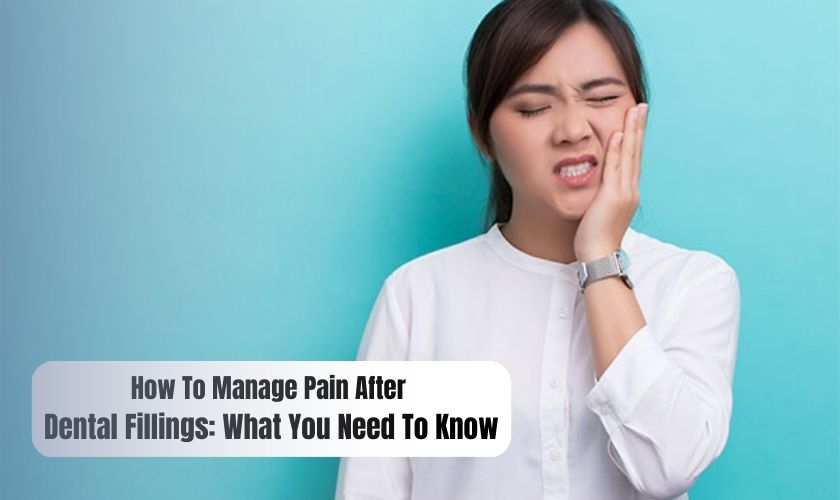
If you’ve recently had dental fillings, you may experience discomfort or pain. While dental fillings are an effective way to restore tooth decay and protect your teeth from further damage, the process can be slightly uncomfortable, and it may take a few days for your mouth to adjust after the procedure. This article will discuss how to manage dental filling-related pain and what steps you should take to ensure that your fillings last as long as possible.
Placing dental fillings is a common procedure to treat cavities and restore damaged teeth. After receiving dental fillings, many people experience discomfort or pain in the area of their mouth where the dental work was done. Fortunately, dental pain is usually very manageable, and you can take a few steps to help reduce discomfort.
Pain Relief Strategies
When it comes to dental fillings, prevention is better than cure. To minimize dental filling-related pain, it’s important to practice good dental hygiene habits like brushing twice a day and flossing at least once daily. Also, make sure you regularly visit your dentist for checkups and cleanings. This will help ensure that oral health issues are caught early before they become more serious problems requiring dental work.
Avoid Chewing on the Filling Site
The area of your mouth where the dental filling was placed may be sensitive for a few days. Avoid chewing on the dental filling site directly to reduce discomfort until it feels better. Chewing gum can also be irritable, so limiting your gum consumption in the days following dental fillings is best.
Take Pain Medications
Over-the-counter pain medications like ibuprofen or acetaminophen can help reduce dental pain and inflammation. If you are still experiencing dental pain after taking these medications, contact your dentist for additional advice or guidance.
Use Ice Packs
Applying an ice pack (or frozen vegetables wrapped in a cloth) to the outside of your mouth near the dental filling site can help reduce dental pain and swelling. You should apply ice packs in 10-minute intervals several times a day to help reduce dental discomfort.
Take Care of Your Fillings
To ensure that your dental fillings last as long as possible, it is important to take good care of them. Brush your teeth at least twice a day with a soft-bristled toothbrush and dental floss daily to remove plaque and food particles from around the dental filling site. Additionally, avoid consuming sticky foods like candy or hard foods that could chip the dental filling. If you notice any signs of wear on your dental filling, contact your dentist for repairs or replacements as soon as possible.
Avoid Staining
Dental fillings are prone to staining, so it is important to avoid consuming highly pigmented foods and beverages like coffee, tea, red wine, and food coloring. Additionally, brushing your teeth after consuming these items can help reduce dental discoloration.
Avoid Grinding Your Teeth
Teeth grinding (also known as bruxism) can cause dental fillings to wear down prematurely. If you’re a chronic teeth grinder, wear a dental guard at night or whenever possible. If you suspect that you may be grinding your teeth during the day, speak with your dentist about treatment options for bruxism.
Visit Your Dentist Regularly
Regular dental checkups are important for dental health but especially important if you have dental fillings. Your dentist will examine the dental fillings at each checkup to ensure they’re in good condition and suggest any necessary repairs or replacements.
Dental fillings can help restore damaged teeth and improve oral health, but managing dental filling-related pain is important. If you experience prolonged discomfort from your dental fillings or suspect any damage or discoloration, contact your dentist immediately for advice and guidance. Additionally, practicing good dental hygiene habits and avoiding staining agents can help ensure that your dental fillings last as long as possible.
FAQs
Q: How do I take care of dental fillings?
A: Ensure you brush your teeth twice daily and floss once daily to remove plaque and food particles from around the dental filling site. Additionally, avoid consuming sticky or hard foods that can chip dental fillings, and limit consumption of highly pigmented foods and beverages like coffee, tea, red wine, and food coloring.
Q: How long does dental pain from dental fillings last?
A: Dental discomfort from dental fillings can vary depending on each patient’s situation. For most people, dental pain should subside within a few days following the procedure; however, if dental pain persists after taking over-the-counter medications like ibuprofen and acetaminophen, contact your dentist for additional advice or guidance.
Q: How often should dental fillings be replaced?
A: Dental fillings should last 5 to 7 years with proper dental care and regular dental checkups. However, this timeline can vary depending on the type of dental filling used, how it is cared for, and other factors. Your dentist will examine your dental fillings at each dental appointment to determine if repairs or replacements are necessary.