CLICK HERE TO DOWNLOAD YOUR HEALTHYSTART™ GUIDE


How Oral Cancer Screening Detects Pre-Cancerous Changes?
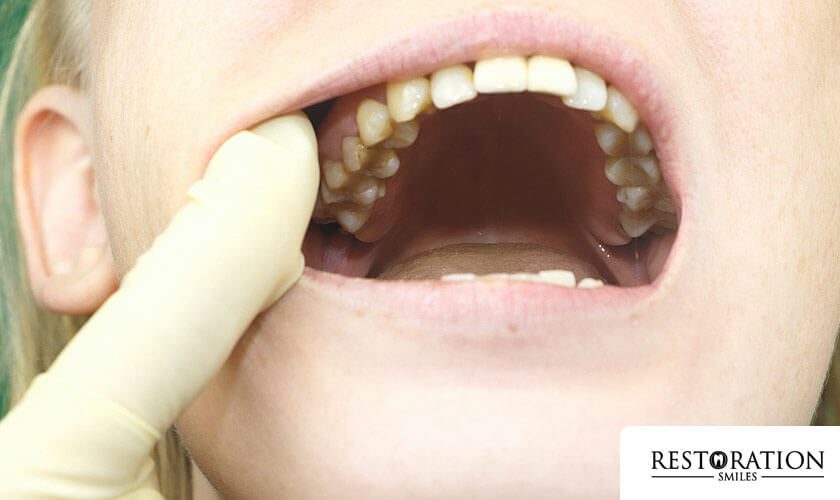
Oral cancer is a serious health condition that often begins with subtle pre-cancerous changes in the oral cavity. Regular oral cancer screenings can identify these changes early, enabling timely intervention and potentially saving lives. This blog explores how oral cancer screening works, its methods, and why it’s vital for your overall health.
Pre-Cancerous Changes In The Oral Cavity
Pre-cancerous changes are abnormal cell growths that may develop into oral cancer if left untreated. These changes often appear as lesions, patches, or abnormalities in the mouth, gums, tongue, or throat.
Common Pre-Cancerous Indicators
- Leukoplakia: White patches in the mouth.
- Erythroplakia: Red patches that may bleed easily.
- Lumps or thickened areas: Unexplained tissue changes.
- Persistent sores: Non-healing sores lasting more than two weeks.
Identifying these symptoms early can prevent progression to advanced stages of cancer.
How Oral Cancer Screening Works
Oral cancer screening involves a systematic examination of your mouth, face, and neck to identify abnormalities. Dentists and oral health professionals use various tools and techniques to detect pre-cancerous changes.
Key Steps in Oral Cancer Screening
- Visual Examination
- The dentist examines the inside of your mouth, including gums, tongue, cheeks, roof of the mouth, and throat.
- They look for discoloration, lesions, or unusual growths.
- Palpation (Physical Examination)
- The dentist feels for lumps, swelling, or irregularities in the jaw, neck, and lymph nodes.
- This helps identify abnormalities that may not be visible.
- Use of Specialized Lights
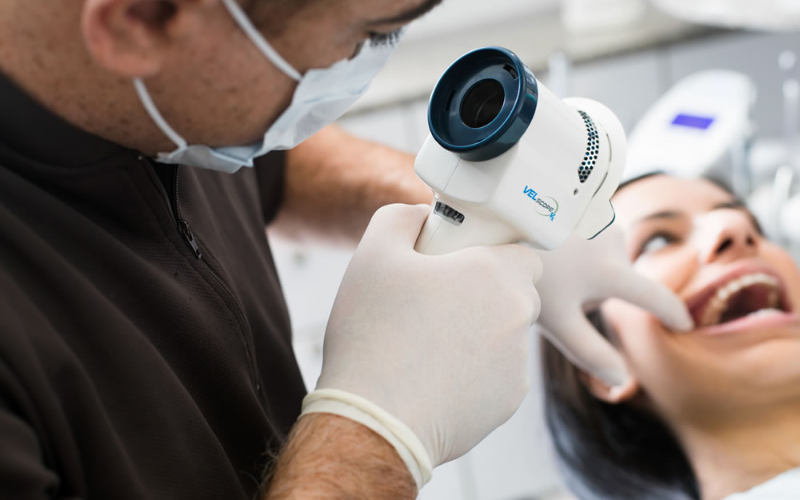
- Velscope: A handheld device that uses fluorescent light to highlight abnormal tissue.
- Toluidine Blue Staining: A dye applied to suspicious areas to detect changes in tissue structure.
- Biopsy (If Necessary)
- If the screening reveals abnormalities, a biopsy may be performed to confirm if the cells are cancerous or pre-cancerous.
Technologies Enhancing Oral Cancer Screening
Modern advancements in dental technology have revolutionized the early detection of oral cancer.
Advanced Tools for Detection:
- OralCDx Brush Test: Collects cells from lesions for lab analysis.
- Autofluorescence Imaging: Identifies changes in tissue composition.
- Digital Imaging Devices: Provide detailed views of suspicious areas.
These technologies improve accuracy and reduce the chances of missing subtle abnormalities.
Why Regular Screening Matters?
Early detection of pre-cancerous changes is critical for successful treatment. Oral cancer often progresses silently, with symptoms appearing only in later stages.
Benefits of Regular Oral Cancer Screening:
- Increases survival rates: Early intervention can improve treatment outcomes significantly.
- Minimizes treatment complexity: Detecting changes early can lead to less invasive treatments.
- Promotes overall health: Oral health is closely linked to systemic health, and addressing issues early can prevent further complications.
Who Needs Oral Cancer Screening?
While oral cancer screening is important for everyone, certain groups are at higher risk and should prioritize regular checkups.
High-Risk Factors:
- Tobacco use: Smoking or chewing tobacco significantly increases the risk. They can cause persistent irritation and cellular changes in the oral cavity, leading to pre-cancerous or cancerous conditions.
- Excessive alcohol consumption: Combined with tobacco, alcohol greatly heightens oral cancer risk. It weakens the body’s ability to repair tissue damage, making it more vulnerable to harmful changes.
- Human Papillomavirus (HPV): A leading cause of oral and throat cancers, often affecting the base of the tongue and tonsils. The virus alters cell DNA, increasing the risk of malignant transformations, even in individuals without other risk factors.
- Age: Most oral cancers occur in individuals over 40, as cellular changes tend to accumulate over time. With age, the body’s ability to repair DNA damage diminishes, making it more susceptible to mutations and cancer development.
- Prolonged sun exposure: Increases the risk of lip cancer, particularly for those who spend significant time outdoors without protection. Chronic sun damage can cause changes in the skin cells of the lips, leading to pre-cancerous conditions or cancer.
Warning Signs That Warrant Immediate Screening
If you notice any of the following symptoms, schedule a screening immediately:
- Persistent mouth sores.
- Difficulty swallowing or chewing.
- A lump or thickening in the cheek.
- Changes in voice or persistent hoarseness.
- Unexplained bleeding in the mouth.
Early detection can mean the difference between a simple procedure and extensive treatment.
Preventive Steps To Lower The Risk
While oral cancer screening is essential, adopting healthy habits can reduce your risk of developing pre-cancerous changes.
Practical Tips for Prevention:
- Quit smoking and limit alcohol consumption.
- Use sunscreen or lip balm with SPF to protect your lips.
- Maintain a balanced diet rich in fruits and vegetables.
- Practice good oral hygiene, including regular brushing and flossing.
- Schedule regular dental checkups and screenings.
Oral cancer screening is a vital preventive measure that can detect pre-cancerous changes before they become life-threatening. Through visual examinations, advanced technologies, and biopsies, dentists can identify and address abnormalities early. Regular screenings, especially for high-risk individuals, combined with healthy habits, can significantly lower the risk of oral cancer.
Don’t wait for symptoms to appear—prioritize your oral health by scheduling an oral cancer screening today. Early detection saves lives!