CLICK HERE TO DOWNLOAD YOUR HEALTHYSTART™ GUIDE


Early Detection Saves Lives: The Role Of Oral Cancer Screenings

Oral cancer is a serious and potentially life-threatening condition affecting thousands worldwide. Early detection is one of the most effective ways to combat this disease. Oral cancer screenings play a crucial role in identifying signs and symptoms early, significantly improving the chances of successful treatment. This informative blog will delve into the importance of oral cancer screenings, the process involved, and how this simple step can save lives.
The Prevalence Of Oral Cancer
Oral cancer can affect anyone, regardless of age or gender. According to the Oral Cancer Foundation, nearly 54,000 Americans are diagnosed with oral cancer each year, and the disease is responsible for approximately 9,750 deaths annually. The concerning aspect of oral cancer is that it is often diagnosed in its later stages, making treatment more challenging and reducing the chances of survival. This makes regular oral cancer screenings all the more vital.
The Importance Of Early Detection
Early detection is paramount when it comes to oral cancer. In its early stages, oral cancer may not show obvious symptoms or discomfort, making it easy to overlook. However, during an oral cancer screening, a trained dental professional can identify subtle signs that may indicate the presence of abnormal tissues or precancerous lesions. Detecting these early warning signs allows for timely intervention, increasing the chances of successful treatment and, ultimately, saving lives.
Who Should Get Screened?
Regardless of age or risk factors, oral cancer screenings are essential for everyone. While certain lifestyle habits, such as smoking and excessive alcohol consumption, increase the risk of oral cancer, it can also occur in individuals with no known risk factors. Therefore, it is recommended that all adults undergo regular oral cancer screenings during their routine dental check-ups. Early detection is crucial, even if you have no noticeable symptoms.
The Screening Process
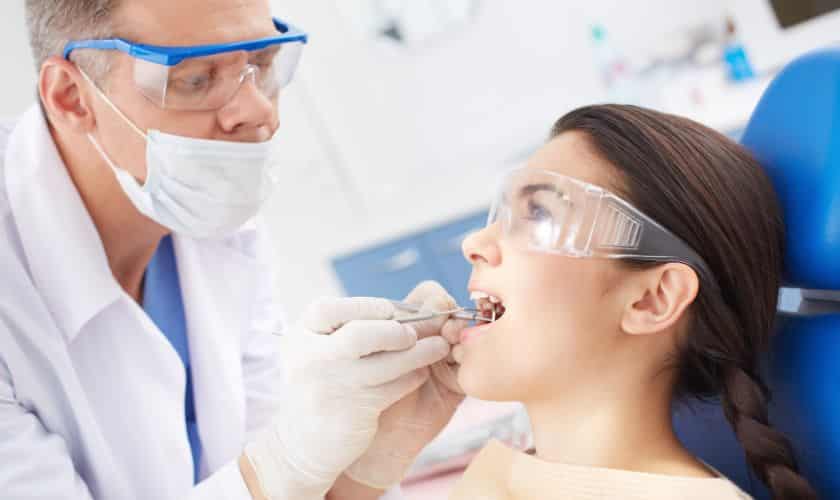
The process of oral cancer screening is quick, painless, and non-invasive. Your dentist or dental hygienist will examine your mouth, including your lips, gums, tongue, roof, floor of your mouth, and the back of your throat. They will look for unusual changes, such as red or white patches, sores, lumps, or persistent mouth pain. Sometimes, a special screening device may detect abnormal tissues not visible to the naked eye.
Additional Risk Factors
While anyone can develop oral cancer, certain risk factors may increase the likelihood of its occurrence. As mentioned earlier, tobacco use and excessive alcohol consumption are significant risk factors. Additionally, human papillomavirus (HPV) infection, a weakened immune system, a history of oral cancer, and excessive sun exposure leading to lip cancer are all risk factors that should prompt more frequent screenings. People with these risk factors should be particularly vigilant about getting regular oral cancer screenings.
Oral cancer is a serious disease that can have devastating consequences if not detected and treated early. Regular oral cancer screenings are a simple yet powerful way to identify potential issues at their earliest stages, providing a higher chance of successful treatment and, ultimately, saving lives. Don’t underestimate the importance of oral cancer screenings, as they are vital to maintaining optimal oral health and overall well-being. Schedule regular dental check-ups and screenings with your dental professional, and encourage your loved ones to do the same. Early detection truly saves lives and gives us all a reason to smile.