CLICK HERE TO DOWNLOAD YOUR HEALTHYSTART™ GUIDE


Do You Grind Your Teeth While Sleeping? Signs to Look Out
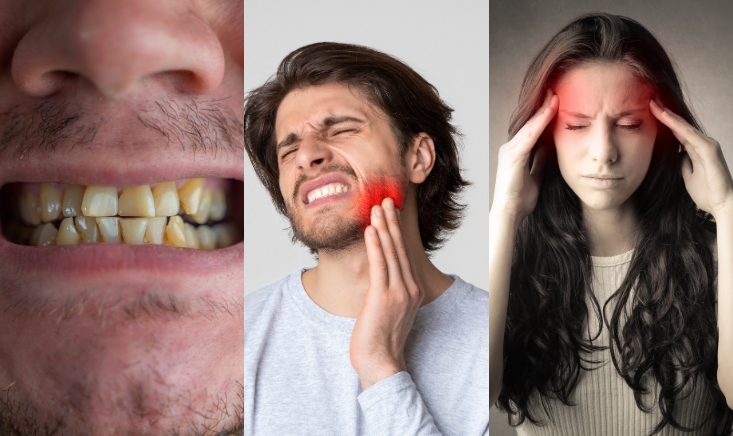
You have a night of great slumber and you hope to experience new levels of energy the next morning. Instead of feeling amazing, you’re struggling with jaw or tooth pain and wondering what’s causing it. Have you ever been in this situation? If the answer is a big YES, then let me tell you like many others you might also unknowingly grind your teeth while sleeping. Known as bruxism, teeth clenching can harm oral health and hinder you from experiencing a pain-free life. Do you want to lead a life of constant pain and discomfort? I guess no, right? While many take the incidents of mild grinding at night lightly, consistent grinding leads to damaged teeth, headaches, and jaw pain. The only solution you’ve in hand is identifying the signs of teeth grinding early to prevent long-term issues. If you suspect you grind your teeth, this blog is for you and help you know what you can do about it.
What Causes Teeth Grinding at Night?
While there’s no assured way to tell what’s causing teeth grinding, it often stems from stress, anxiety, or sleep disorders. Other triggers include:
- Misaligned teeth.
- Excessive caffeine or alcohol consumption.
- Medication side effects.
Addressing the cause behind your constant teeth clenching helps you prevent further teeth damage. Once you start experiencing the signs of teeth grinding, take no time to visit your local dental health specialist for quick relief from the pain.
Common Signs of Teeth Grinding
How to tell whether you struggle with gnashing your teeth or not if you’re not even aware of the signs of it? The only solution we can think about in this situation is recognizing the signs to take action early. These signs include:
- Flattened, chipped, or cracked teeth
- A constant struggle with tooth sensitivity
- Sore jaw or face during the day
- Frequent headaches that seem to pain around your temples
If you’re suffering from any of these symptoms, it’s best to consult a dentist immediately to figure out treatment options.
Why Teeth Grinding Should Not Be Ignored?
While it might seem teeth grinding is nothing, ignoring it can lead to severe dental and health problems. Let’s shed light on some of the most common health concerns stemming from teeth clenching:
- Worn enamel. It exposes inner tooth layers.
- Painful temporomandibular joint (TMJ) disorders
- Gum recession and loose teeth
- Sleep disturbances
How Dentists Diagnose Bruxism?
A dentist can identify the signs of teeth grinding during a routine check-up by noticing:
- Unusually worn teeth
- Inflamed jaw muscles
- Cracked or damaged dental restorations
Treatment Options for Teeth Grinding
If you’re worried about your signs of teeth grinding, you can relax knowing there are several treatment options to alleviate bruxism. The best ones are:
- Putting on custom mouthguards to prevent damage
- Dealing with your stress level through stress management techniques like yoga or meditation
- Investing in orthodontic adjustments to correct misaligned teeth
- Focus on behavioral changes, such as reducing caffeine intake
Tips to Reduce Teeth Grinding at Home
If you’re looking for a bit extra help and want to welcome lifestyle changes to reduce the impact of bruxism, here are some tips for you to follow:
- Practice relaxation before bedtime
- Avoid hard foods like nuts or candy
- Maintain a good sleep routine
- Monitor how your jaw feels during the day to prevent clenching
As you’re now aware of the signs of teeth grinding, it’s best to schedule an appointment with us if you suspect you have this condition.