CLICK HERE TO DOWNLOAD YOUR HEALTHYSTART™ GUIDE


Teeth Whitening Sensitivity in Tomball, TX | Restoration Smiles

If you’ve ever asked yourself why does teeth whitening hurt and how to prevent it, you’re not alone. Sensitivity during or after whitening is one of the most common concerns patients share with Dr. Jennifer Mai at Restoration Smiles in Tomball. The good news is that this discomfort is usually temporary and very manageable. Understanding why it happens puts you in control of your whitening experience.
Why Does Teeth Whitening Cause Sensitivity in Tomball Patients?
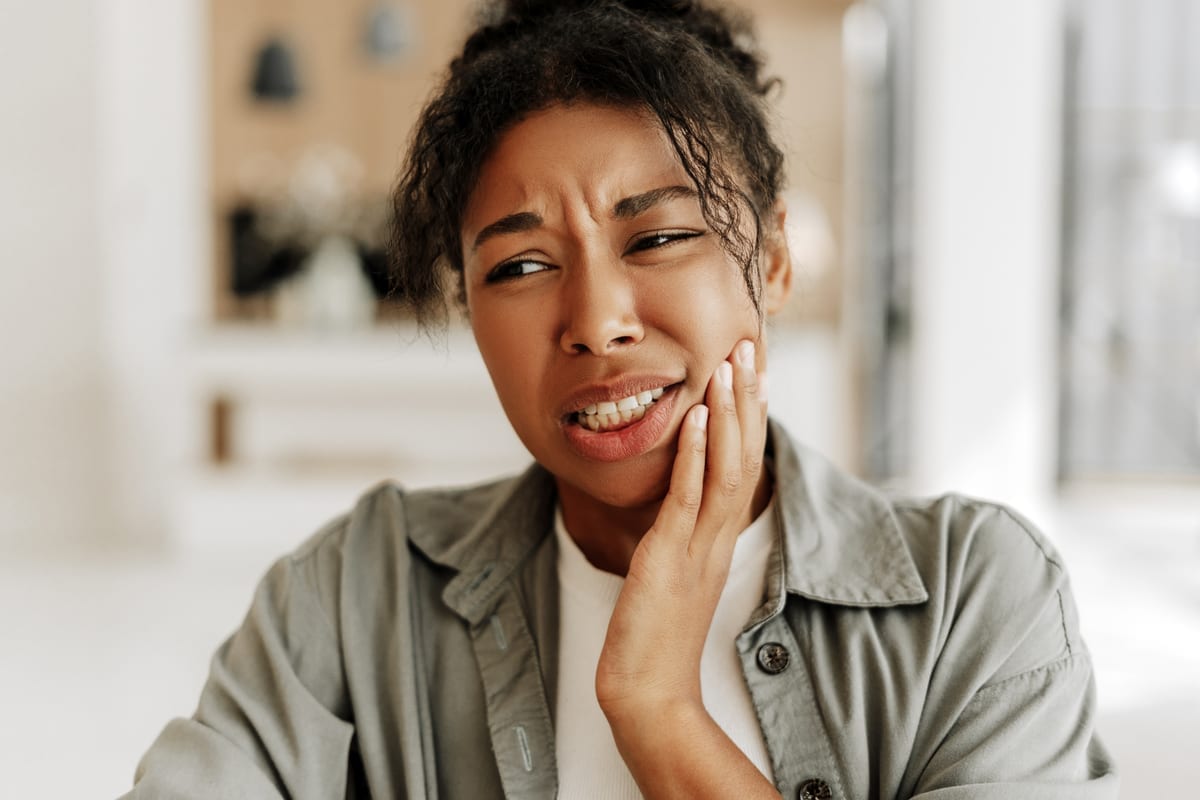
Tooth sensitivity during whitening comes down to chemistry. Whitening agents — typically hydrogen peroxide or carbamide peroxide — penetrate the outer enamel layer. They reach the inner dentin, which contains tiny nerve pathways called tubules. When these tubules are exposed or stimulated, you feel that sharp, temporary zing of sensitivity.
Some patients are more prone to sensitivity than others. People with naturally thin enamel, existing gum recession, or untreated cavities tend to feel more discomfort. Even healthy teeth can respond strongly to higher-concentration whitening gels. That’s why a professional evaluation before whitening is so important.
The level of sensitivity also depends on the whitening method you choose. Over-the-counter strips use lower concentrations but cover teeth unevenly. Professional treatments use precise application techniques that reduce unnecessary gum and enamel irritation. At Restoration Smiles, Dr. Mai assesses each patient’s unique dental health before recommending any whitening approach.
How Dentists Minimize Whitening Discomfort During Treatment
Professional whitening offers major advantages when it comes to managing sensitivity. Dr. Mai uses carefully calibrated whitening gels suited to each patient’s enamel strength. She also applies protective barriers to shield your gum tissue from direct contact with the whitening agent. These steps alone significantly reduce the chance of irritation.
Before treatment begins, Dr. Mai may recommend a desensitizing treatment. These products contain potassium nitrate or fluoride, which calm the nerves inside your teeth. Applying them before whitening creates a protective buffer that reduces how intensely your nerves respond to the peroxide gel.
Professional whitening at Restoration Smiles is also precisely timed. Leaving a whitening gel on too long is a common cause of unnecessary sensitivity. In-office treatments allow Dr. Mai to monitor application time closely. This precision simply isn’t possible with store-bought products used at home.
- Custom-fitted trays prevent gel from contacting gum tissue
- Desensitizing agents are applied before and after treatment
- Professional-grade gels are matched to enamel strength
- Treatment time is carefully monitored and controlled
- A thorough dental exam catches issues before whitening begins
What You Can Do at Home to Prevent Whitening Pain
Managing sensitivity doesn’t stop when you leave the dental chair. There are practical steps you can take at home to reduce discomfort before and after whitening. Starting these habits a week before your appointment can make a meaningful difference in how your teeth respond.
Switch to a sensitivity-specific toothpaste at least one week before whitening. These toothpastes contain ingredients that block the tiny tubules in your dentin. Less open tubule exposure means less sensitivity during and after the whitening process. Look for products with potassium nitrate listed as an active ingredient.
Here are additional at-home tips to reduce whitening sensitivity:
- Avoid very hot or cold foods and drinks for 48 hours after whitening
- Skip acidic foods like citrus, vinegar, and soda right after treatment
- Use a soft-bristle toothbrush to avoid further enamel wear
- Apply a fluoride rinse after whitening to strengthen enamel
- Take an over-the-counter pain reliever if sensitivity becomes uncomfortable
Spacing out your whitening sessions also helps. Back-to-back treatments don’t allow enamel and nerves time to recover. Dr. Mai can build a whitening timeline that gets you great results without overloading your teeth.
When Sensitivity After Whitening Is a Warning Sign
Most post-whitening sensitivity fades within 24 to 48 hours. This is completely normal and expected. However, there are situations where lingering pain signals something that needs attention. Knowing the difference protects your long-term dental health.
If sensitivity lasts longer than three days after whitening, contact Dr. Mai. Persistent pain may indicate that a cavity, cracked tooth, or exposed root was present before treatment. Whitening can sometimes reveal these underlying issues rather than cause them. A quick follow-up appointment lets Dr. Mai assess the situation and provide the right care.
Gum soreness after whitening is also worth monitoring. Some redness is normal when gum tissue contacts whitening gel. But if your gums remain swollen or painful for more than a day or two, let your dental team know. Early intervention prevents minor irritation from becoming a bigger problem.
Patients who choose professional Cosmetic Dentistry services at Restoration Smiles benefit from ongoing support after treatment. Dr. Mai and her team are available to answer questions and address any concerns that come up during your recovery. You never have to manage whitening side effects alone.
Professional Whitening vs. Over-the-Counter Options for Tomball Residents
Many Tomball patients wonder whether professional whitening is worth it compared to drugstore products. The sensitivity factor is one of the clearest reasons to choose professional care. Over-the-counter strips and trays are not custom-fitted to your teeth. Ill-fitting trays allow gel to seep onto your gums, causing unnecessary irritation.
Store-bought products also lack a pre-treatment assessment. You might be whitening teeth that have untreated decay or gum sensitivity without knowing it. That oversight can turn a simple cosmetic treatment into a painful experience. Professional whitening begins with a comprehensive exam that eliminates these risks.
Professional results also last longer with proper maintenance. Dr. Mai can provide take-home whitening trays precisely molded to your teeth for touch-up treatments. These custom trays deliver even coverage without the gum exposure that generic strips cause. The combination of in-office and at-home professional care keeps your smile bright with minimal discomfort.
Understanding your benefits and financial options is also part of planning any cosmetic treatment. Restoration Smiles makes it easy to learn about Dental Insurance and how it applies to your care plan.
Conclusion: Brighter Teeth Without the Pain in Tomball
Tooth sensitivity during whitening is common, but it doesn’t have to derail your smile goals. Understanding why does teeth whitening hurt and how to prevent it in Tomball starts with choosing the right professional partner. Dr. Jennifer Mai at Restoration Smiles takes a patient-first approach to every whitening treatment. From pre-treatment desensitizing to custom-fitted trays, every step is designed to protect your comfort.
You deserve a whiter smile without dreading the process. With the right preparation, professional guidance, and at-home care, whitening sensitivity becomes a minor and manageable part of the journey. Restoration Smiles is here to guide you every step of the way. Book Now to schedule your appointment with our team.
Frequently Asked Questions
Is teeth whitening sensitivity permanent?
No, whitening sensitivity is almost always temporary. Most patients experience discomfort for 24 to 48 hours after treatment. If sensitivity persists beyond three days, contact Dr. Mai at Restoration Smiles for a follow-up evaluation.
Can I whiten my teeth if I already have sensitive teeth?
Yes, but you should consult with Dr. Jennifer Mai first. She can evaluate the cause of your existing sensitivity and recommend a whitening approach that minimizes additional discomfort. Desensitizing treatments and lower-concentration gels are often used for patients with naturally sensitive teeth.
How long does whitening sensitivity last?
For most patients, sensitivity fades within one to two days after whitening. Using a desensitizing toothpaste before and after treatment can shorten this window. Avoiding temperature extremes in food and drink during this period also helps speed recovery.
Does professional whitening cause more sensitivity than store-bought products?
Not necessarily. Professional whitening uses higher concentrations, but it also includes protective measures like custom trays, gum barriers, and desensitizing agents. These precautions often result in less overall sensitivity than poorly fitting over-the-counter strips applied without guidance.
What should I eat after teeth whitening to avoid sensitivity?
Stick to lukewarm, non-acidic foods for at least 48 hours after whitening. Good options include soft foods, plain water, and mild dairy products. Avoid coffee, tea, citrus fruits, vinegar-based foods, and anything very hot or cold during this recovery window.