CLICK HERE TO DOWNLOAD YOUR HEALTHYSTART™ GUIDE


Beyond Whitening: The Veneer Solution for Intrinsic Stains and Highly Discolored Teeth
Not all tooth stains behave the same. Some stay on the surface and respond to whitening treatments, while others form deep inside the tooth and do not fade. These deeper marks inside the tooth are called intrinsic stains. Intrinsic stains can, at times, alter your smile’s appearance for years. Once whitening stops working, it becomes frustrating and confusing.
This blog explores why whitening has limits and how veneers can help when teeth remain dark. It explains how veneers work, who they benefit, and what the process involves. By the end, you will have clear information to help you decide your next step.
What is Intrinsic Tooth Discoloration?
Intrinsic stains live beneath the enamel, and the tooth itself changes its color from the inside out. This is because some teeth after whitening appear gray or uneven, depending on their structure.
Intrinsic tooth discolouration does not happen due to poor care; rather, it is a structural issue that requires a different solution. Hence, brushing and whitening treatments have a minimal effect.
Why Choose Veneers?
Veneers do more than just change your tooth color. They cover the front surface of the tooth and replace what is visible when you smile. This gives a cosmetic dentist total control over shade, shape, and balance of the veneers.
Instead of bleaching stains on the teeth, veneers mask them entirely. Porcelain veneers in Tomball, TX, offer a reliable, long-lasting option for masking dark tooth tones in individuals with severe discoloration.
Why Can’t All Stains Be Fixed With Teeth Whitening?
Whitening treatments work by removing stains from the surface of your teeth. Most of the time, these stains occur from food, drinks, or everyday habits. When discoloration happens deeper within the tooth, whitening gel cannot reach those deeper stains. Therefore, the color does not change or improve at all.
Intrinsic stains may be caused by early tooth injury, the use of tetracycline in childhood, or changes inside the tooth structure. Other teeth may darken due to dental trauma or nerve damage. Bleaching cannot produce uniform and durable results in such situations.
How Porcelain Veneers Improve Heavily Discolored Teeth?
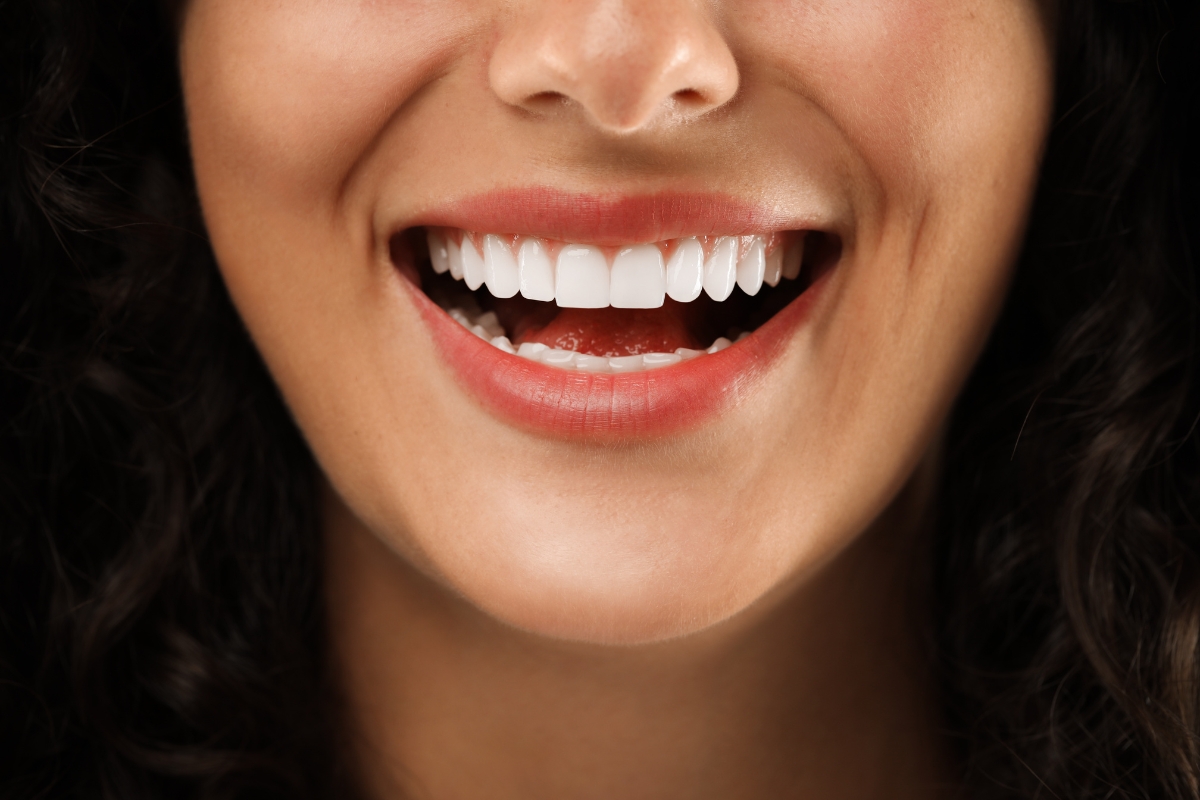
Porcelain reflects light in a way very similar to natural enamel. This helps veneers blend seamlessly with surrounding teeth. Unlike some other options, porcelain maintains its color well and resists stains.
Veneers are also indicated for teeth with severe discoloration that whitening cannot correct. They can also improve small chips, worn edges, or uneven spacing, creating a more even smile.
Veneer Process
Getting veneers is a step-by-step process designed to provide the best comfort for your teeth and improve your smile. Each of the following steps focuses on your comfort, accuracy, and natural results.
- Initial Smile Evaluation: Evaluation of teeth, gums, and bite by a cosmetic dentist. This visit helps confirm that veneers are an option and sets clear goals for shape and shade.
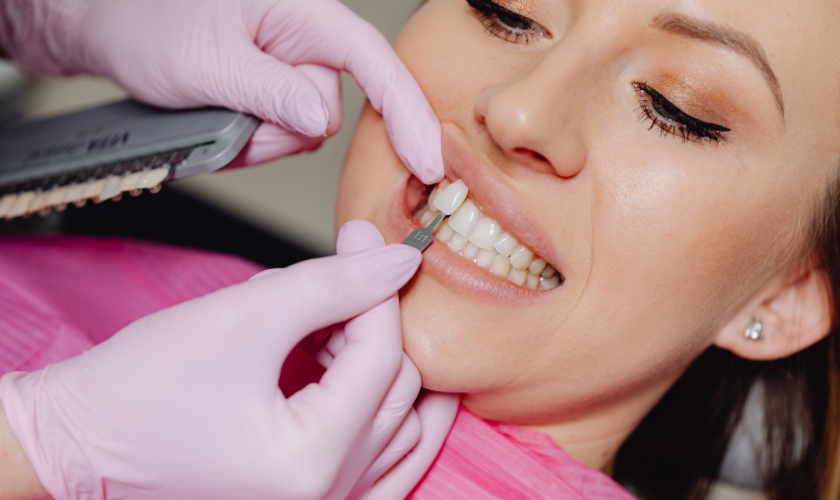
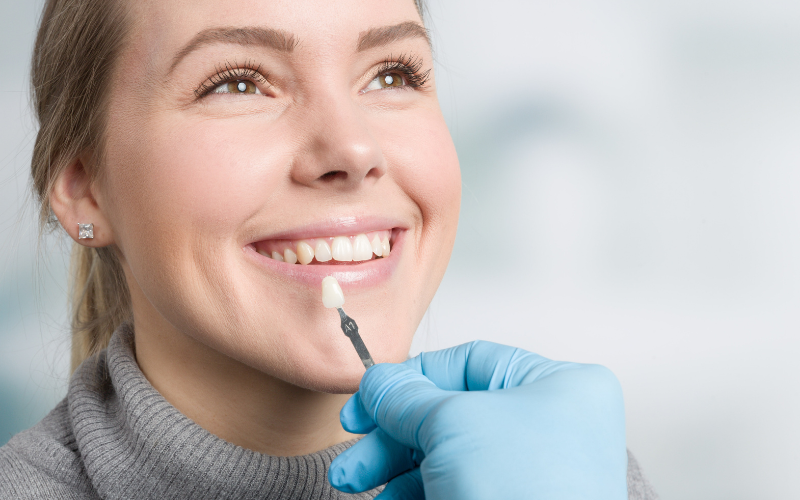
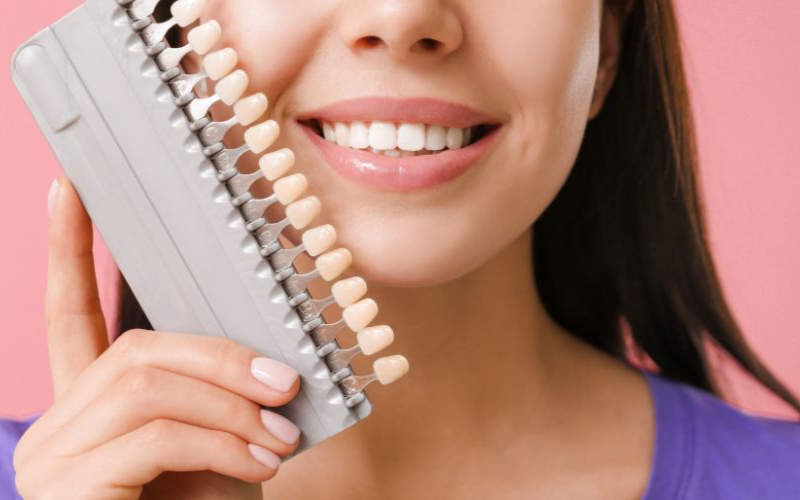
- Smile Planning and Shade Selection: The appearance of the veneers is planned to suit your face and natural teeth. The shade is carefully selected so the veneers blend well and do not appear too shiny.
- Preparation of Tooth: A thin layer of enamel is slightly adjusted in front. This allows the veneer to sit in and feel natural when you bite or speak.
- Impressions and Custom Design: Detailed impressions are taken and sent to a dental lab. Each veneer is crafted into the shape, size, and color planned for that tooth.
- Final Placement and Fit Check: When ready, the veneers will be placed and checked for comfort and alignment. The adjustments will be made to ensure a secure fit and natural look before the final bonding.
Who is the Best Candidate for Veneers?
Veneers work best for individuals with healthy gums and stable teeth. They are mostly recommended for deep stains unresponsive to whitening. Veneers can also help improve minor cracks or uneven edges.
Before treatment begins, a cosmetic dentist will check for grinding, decay, or gum concerns to ensure veneers remain comfortable and last.
A Clear Path to a Confident Smile
Deep tooth discoloration can be discouraging to deal with, especially when whitening no longer works. Veneers create a clear solution by covering the source of discoloration rather than attempting to fade it. They provide stable color, a natural appearance, and results that fit with everyday life, from quiet mornings to busy evenings that locals know well.
At Restoration Smiles, the focus remains on careful planning and candid advice. Call us today to schedule an appointment and enhance your smile as soon as possible. Our professional team will understand your smile goals and guide you through all available options before starting treatment.
FAQs
Can veneers fix stains from childhood medicine?
Yes, veneers can cover stains caused by certain medicines taken during childhood. These stains sit deep inside the tooth and do not respond to whitening. Veneers block the discoloration and create an even shade.
Are Veneers Permanent?
Veneers are long-lasting, but they are not removable like a retainer. Because enamel is adjusted during placement, the tooth will always need coverage. With proper care, veneers can last many years. Daily brushing, flossing, and regular dental visits help protect them. Avoiding habits like biting hard objects also supports their lifespan.
Do veneers look natural in bright light?
Porcelain reflects light similarly to natural enamel. When designed carefully, veneers do not appear flat or artificial. They blend well in both sunlight and indoor lighting.
How many teeth usually need veneers?
The number depends on how many teeth show when you smile. Some people treat only the front teeth, while others choose more for balance and symmetry.
Will veneers change the way I speak?
Most people adjust within a few days. Veneers are thin, custom-made shells that are shaped to match natural teeth. Speech changes are usually minor and temporary.
Can veneers stain over time?
Porcelain resists stains better than natural enamel. With regular care, veneers stay bright. Any surface buildup can be polished during dental visits.