CLICK HERE TO DOWNLOAD YOUR HEALTHYSTART™ GUIDE


A Comprehensive Guide To Dental Implants Procedures : What You Need to Know

Are you missing a tooth or dealing with an uncomfortable denture? Perhaps you’ve heard about dental implants and are curious to learn more. Well, you’re in the right place! In this comprehensive guide, we will take you through everything you need to know about dental implant procedures. From understanding what they are and their benefits, to exploring different types of procedures and aftercare tips – we’ve got it all covered!
What are Dental Implants?
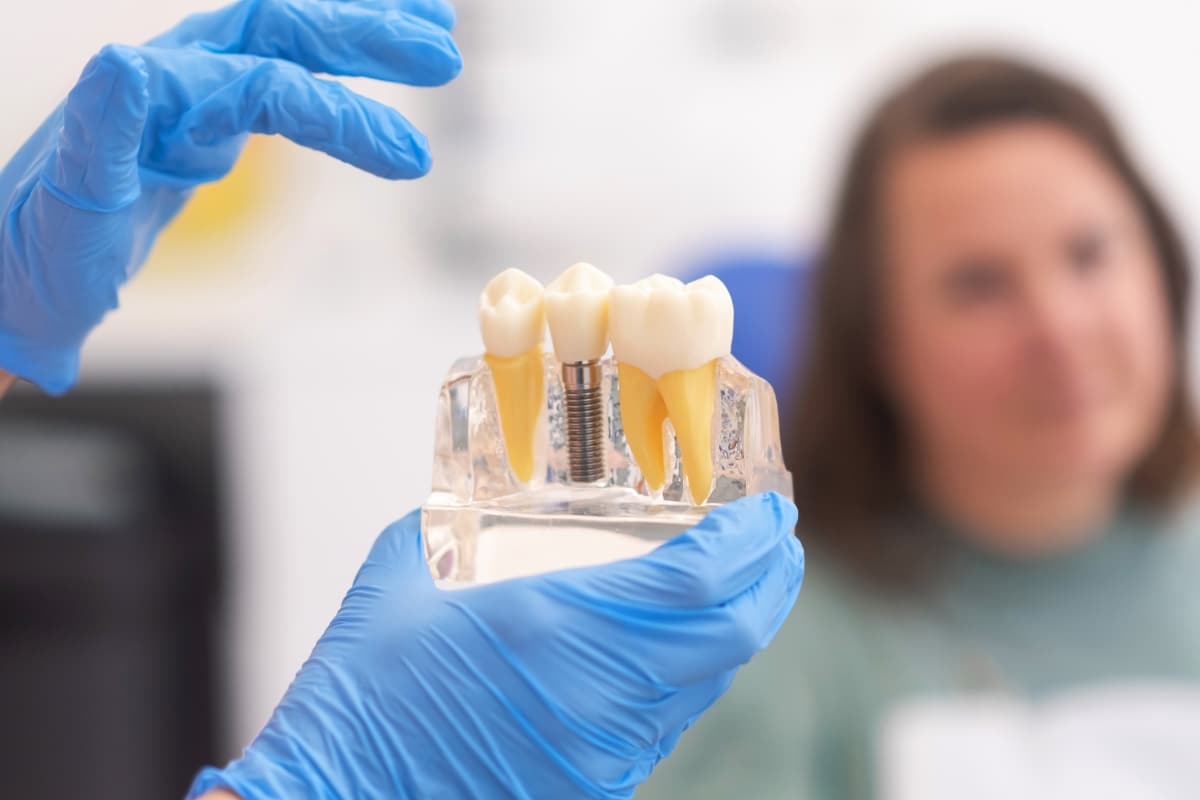
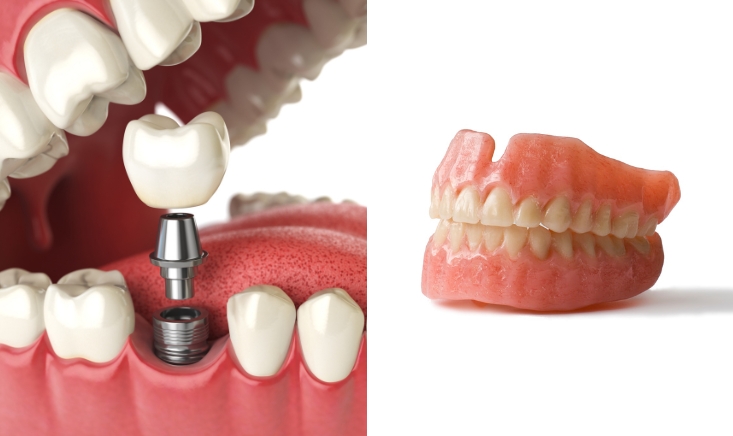
Dental Implant are revolutionary tooth replacement options that have gained immense popularity in recent years. But what exactly are dental implants? In simple terms, they are artificial tooth roots made of titanium that are surgically placed into the jawbone to support a crown or bridge.
Unlike traditional dentures or bridges, dental implants in Tomball offer a permanent and natural-looking solution for missing teeth. In addition to restoring your smile, they also offer stability and functionality that are comparable to real teeth.
The process involves several steps, beginning with an initial consultation where your dentist will assess your oral health and determine if you’re a suitable candidate for the procedure. If you have any existing dental issues like gum disease or inadequate bone density, these may need to be addressed before moving forward with implant placement.
During the implant procedure itself, a small incision is made in the gumline where the implant will be inserted into the jawbone. Over time, this titanium post fuses with the surrounding bone through a process called osseointegration, ensuring a strong foundation for your new tooth restoration.
Benefits of Dental Implants
Dental implants offer a host of benefits that make them an excellent option for replacing missing teeth. One major advantage is their ability to restore both the function and appearance of your smile. Unlike dentures or bridges, dental implants are securely anchored into the jawbone, providing stability and preventing any slippage or discomfort while eating or speaking.
Another benefit of dental implants is their long-lasting nature. With proper care and maintenance, they can last a lifetime, making them a cost-effective solution in the long run. Additionally, dental implants help preserve the integrity of your jawbone by stimulating natural bone growth through osseointegration.
Furthermore, nearby healthy teeth are unaffected by dental implants. Unlike traditional bridges that rely on neighboring teeth for support, dental implants stand independently without compromising the structure of surrounding teeth.
Different Types Of Dental Implant Procedures
When it comes to dental implant procedures, there are a few different options available depending on your specific needs and oral health. Here are the most common types:
1. Single Tooth Implants: This procedure is ideal for individuals who have lost a single tooth due to injury or decay. A titanium post is surgically placed into the jawbone, acting as an artificial root for the replacement tooth.
2. All-on-4 Implants: If you’re missing multiple teeth or require full arch restoration, this procedure may be suitable for you. Four implants are strategically placed in the jawbone to support a complete set of dentures.
3. Mini Dental Implants: These smaller-sized implants are used when there isn’t enough bone mass for traditional implants. They can be used to secure dentures or replace small individual teeth.
4. Immediate Load Implants: Also known as same-day implants, this technique allows for immediate placement of temporary crowns or bridges soon after implantation.
5. Sinus Lifts and Bone Grafting: In cases where there isn’t sufficient bone density in the upper jaw or sinus area, these procedures help create a stable foundation for successful implant placement.
The Procedure: Step by Step
The multi-step dental implant surgery necessitates meticulous planning and accuracy. Here, we will break down the steps involved in this remarkable treatment option.
Step 1: Consultation and Examination
During your initial consultation, your dentist will evaluate your oral health to determine if you are a suitable candidate for dental implants. This may involve X-rays or CT scans to assess bone density and structure.
Step 2: Treatment Planning
Once it is confirmed that you are eligible for the procedure, a customized treatment plan will be created. This plan takes into account factors such as the number of implants needed, the placement location, and any necessary preparatory procedures.
Step 3: Implant Placement
The actual implant placement involves surgically inserting titanium posts into the jawbone. These posts serve as artificial tooth roots onto which prosthetic teeth can be attached later on.
Step 4: Osseointegration
After implant placement, a healing period of several months is required for osseointegration to occur. During this time, the jawbone fuses with the implanted posts, providing stability and durability.
Step 5: Abutment Placement
Once osseointegration is complete, abutments are attached to the implant posts. These connective elements act as anchors between the dental implants and prosthetic teeth.
Step 6: Prosthetic Attachment
Custom-made crowns or dentures are securely attached to the abutments using specialized techniques. The end result is a natural-looking smile that restores both function and aesthetics.
Remember that each patient’s journey through these steps can vary depending on individual circumstances. It’s essential to consult with an experienced dentist who specializes in dental implant procedures for personalized guidance throughout this transformative process.
Aftercare and Recovery
Once your dental implant procedure is complete, it’s important to take proper care of your new implants during the recovery phase. This will ensure optimal healing and long-term success. During the first few days after surgery, you may experience some swelling and discomfort. Your dentist will provide specific instructions for pain management, which may include over-the-counter or prescription medications.
To promote proper healing, it’s crucial to follow a soft-food diet for the first few weeks. Avoid hard or crunchy foods that could potentially damage the surgical site. Be sure to also maintain good oral hygiene by gently brushing and flossing around the implant area. In addition to these precautions, attending regular follow-up appointments with your dentist is essential. They will monitor your progress and make any necessary adjustments or recommendation
Alternatives To Dental Implants
While dental implants are a popular and effective solution for replacing missing teeth, they may not be the right choice for everyone. Fortunately, there are alternative options available that can help restore your smile and improve oral function.
One such alternative is a dental bridge. A bridge consists of one or more artificial teeth that are anchored to neighboring natural teeth or dental crowns. This can be a good option if you have healthy adjacent teeth that can support the bridge.
Another alternative is removable dentures. These prosthetic devices can replace multiple missing teeth and provide functional benefits. However, some people find them less comfortable than implants or bridges. For individuals who do not want invasive procedures, another option is a partial denture. This removable appliance replaces only a few missing teeth and clasps onto existing natural teeth for stability.
Choosing The Right Dentist For Your Procedure
When it comes to dental implant procedures, finding the right dentist is crucial for a successful outcome. But with so many options out there, how do you know which dentist is the right fit for you? Here are some key factors to consider when choosing a dentist for your dental implant procedure.
1. Experience and Expertise: Look for a dentist who specializes in dental implants and has extensive experience performing these procedures. A skilled and knowledgeable dentist will be able to assess your specific needs and provide personalized treatment.
2. Credentials and Qualifications: Make sure the dentist you choose is licensed and board-certified in implant dentistry. This ensures that they have undergone rigorous training and meet high standards of excellence in their field.
3. Technology and Techniques: Inquire about the technologies and techniques used by the dentist. Advanced tools such as 3D imaging, guided implant surgery, or computer-assisted design can enhance precision and improve outcomes.
4. Patient Reviews: Reading reviews from previous patients can give you valuable insights into the quality of care provided by a particular dentist. Look for positive testimonials regarding their professionalism, skill, communication style, and overall patient satisfaction.
5. Communication Style: It’s essential to find a dentist who listens to your concerns, explains all aspects of the procedure clearly, answers your questions patiently, and involves you in decision-making processes.
Remember that choosing the right dentist can make all the difference in your dental implant journey! Dental Implant Tomball are a reliable and long-lasting solution for replacing missing teeth, offering numerous benefits such as improved appearance, enhanced oral health, and increased confidence.