CLICK HERE TO DOWNLOAD YOUR HEALTHYSTART™ GUIDE


The Surprising Causes Of Teeth Grinding And How To Stop It
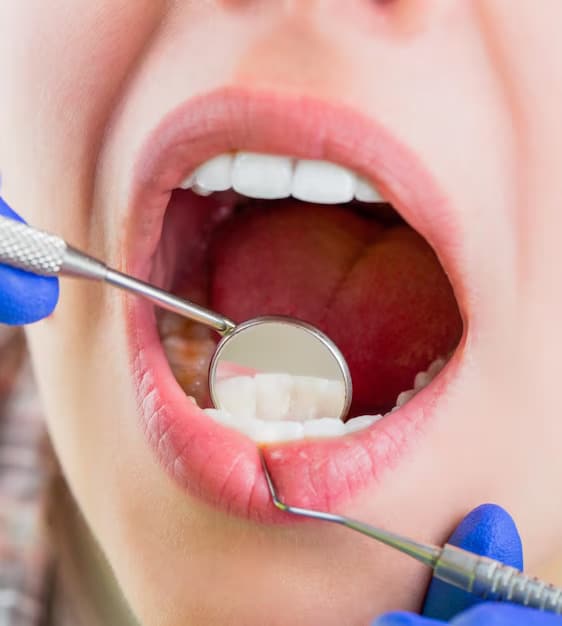
Teeth grinding, also known as bruxism, is a common dental condition affecting millions worldwide. It involves clenching or grinding the teeth, often involuntarily, leading to dental problems and discomfort. While stress is often associated with this, several other surprising causes may contribute to this condition. This informative blog will explore the unexpected triggers of it and provide helpful tips to stop this habit and protect your oral health.
Stress And Anxiety
Stress and anxiety are among the most well-known causes of teeth grinding. When we experience stress, our bodies tend to hold tension, which can manifest in teeth clenching and grinding, especially during sleep. Identifying stressors and practicing relaxation techniques, such as yoga or meditation, can help alleviate this associated with stress.
Sleep Disorders
Teeth grinding is often linked to sleep disorders like sleep apnea. Sleep apnea causes pauses in breathing during sleep, leading to oxygen deprivation and disruptive sleep patterns. As a result, the body may respond with this as it tries to reopen the airways. Treating the underlying sleep disorder can significantly reduce teeth-grinding episodes.
Malocclusions And Dental Problems
Misaligned teeth or malocclusion (bite problem) can contribute to teeth grinding. When teeth don’t fit together correctly, the jaw muscles may compensate by grinding or clenching to find a more comfortable position. Consulting with a dentist and getting orthodontic treatment or dental corrections can help resolve related to these issues.
Medications And Stimulants
Certain medications, such as antidepressants and stimulants, can cause teeth grinding as a side effect. If you suspect your medication is contributing to bruxism, talk to your healthcare provider about alternative options or dosage adjustments. Reducing or eliminating caffeine and other stimulants from your diet may also help reduce this.
Lifestyle Factors
Lifestyle choices, such as excessive alcohol consumption and smoking, have been linked to an increased risk of it. These habits can disrupt the normal sleep cycle and contribute to muscle tension, leading to bruxism. Limiting alcohol intake and quitting smoking can positively affect oral health and well-being.
Dietary Triggers
Believe it or not, certain dietary factors can influence teeth grinding. Consuming a diet high in sugary or acidic foods and beverages can lead to tooth sensitivity and enamel erosion. These dental issues can exacerbate it as the teeth become more susceptible to damage. Adopting a balanced and tooth-friendly diet can help minimize dental problems that contribute to bruxism.
Psychological Factors
Psychological factors, such as suppressed anger, frustration, or an unexpressed desire to communicate something, can find an outlet in teeth grinding. In some cases, bruxism may serve as an unconscious coping mechanism for emotional stress. Exploring and addressing underlying emotional concerns through therapy or counseling may help alleviate them.
How To Stop Teeth Grinding
Now that we’ve covered some surprising causes of this let’s explore effective strategies to stop this habit and protect your dental health:
Nightguards
Talk to your dentist about getting a custom-fitted nightguard to wear while sleeping. Nightguards act as a protective barrier between your upper and lower teeth, preventing the harmful effects of it.
Stress Management
Practice stress-reducing techniques, such as deep breathing exercises, mindfulness meditation, or engaging in hobbies you enjoy.
Sleep Hygiene
Establish a consistent sleep schedule and create a relaxing bedtime routine to promote restful sleep.
Avoid Stimulants
Limit or avoid caffeine and other stimulants, especially in the hours leading up to bedtime.
Dental Treatment
Address dental problems, such as misaligned teeth or bite issues, with the help of your dentist or orthodontist.
Psychological Support
Seek counseling or therapy if you suspect emotional factors may be contributing to your teeth grinding.
It can have a significant impact on your dental health and overall well-being. By understanding the surprising causes of bruxism and implementing effective strategies to stop it, you can safeguard your teeth and achieve a more restful, relaxed state. Remember to consult with your dentist if you experience frequent teeth grinding, as they can offer personalized recommendations to address the underlying causes and protect your precious smile.